
The Animal Doctors of Orange County
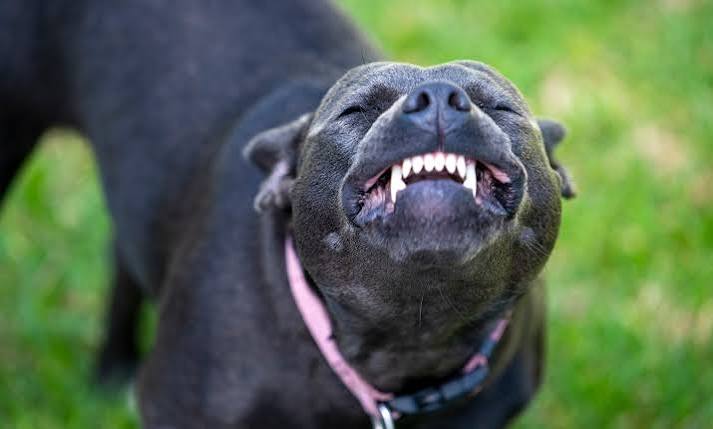
You walk in the door, and there's your dog, wiggling like a windup toy, and suddenly she peels her lips back and flashes you a mouthful of front teeth. If you've never seen it before, your heart might skip a beat. Is she... smiling? Snarling? The first time a client describes this to me, they're usually half delighted and half worried, and I completely understand why. So let's clear it up, because what's really going on is one of the sweetest things a dog can do.
It's called the submissive grin, and once you know how to read it, I promise it'll melt you every single time.
Yes, that toothy "smile" is a real, well-documented behavior called the submissive grin, and it is the opposite of aggression. It's an appeasement gesture, a dog's way of saying "I come in peace, I'm no threat, and honestly, I adore you." The secret to reading it correctly is to look past the mouth and watch the whole body: a grinning dog is loose, wiggly, and soft, while a truly threatening dog is stiff, still, and tense.
What is a submissive grin?
A submissive grin is a dog pulling their lips back to show their front teeth, often described, perfectly, as "cheesing for a photo." It usually shows up during happy, excited greetings, when your dog wants to connect with you but also wants to make absolutely sure you know they mean no harm.

Behavior experts call it an appeasement gesture. In plain English, it's social glue: a signal designed to defuse any possible tension and say "we're good here, right?" It tends to appear in dogs who are friendly, a little excitable, and sometimes just the tiniest bit nervous, the ones who desperately want the greeting to go well. That's why you'll so often see it paired with a full-body wiggle and a tail going a mile a minute.
Grin or growl? How to tell the difference
This is the part that matters most, because a mouthful of teeth can mean two completely opposite things, and misreading it is how people get hurt or, just as sadly, how a sweet dog gets misjudged. The trick is to stop staring at the teeth and read the entire dog. The body almost always tells the truth.
"I mean no harm"
- Loose, wiggly, wagging whole body
- Lowered, crouchy, soft posture
- Squinty, soft eyes; looking away
- Lips pulled back, front teeth showing
- Lip-licking, maybe a lifted paw
- Tail wagging, often low and sweeping
"Please back off"
- Stiff, frozen, tense body
- Weight forward or braced
- Hard, direct stare
- Wrinkled muzzle, bared canine teeth
- Raised hackles (hair up along the back)
- A low growl; stiff, slow tail
See the pattern? A grin is loose; a threat is tight. A grinning dog melts and wiggles toward you; a warning dog freezes and hardens. When you're not sure, trust the body over the mouth, and when in real doubt, give the dog space and check in with us. There's no shame in double-checking, that's exactly what we're here for.
So why do dogs do this at all?
At its heart, the submissive grin is about connection. Dogs are deeply social, and smoothing over tension before it starts is good manners in dog society. A grin says "I'd like to be close to you, and I promise I'm safe to be close to." It's appeasement, yes, but from a happy, hopeful place.
Here's the part I can't help geeking out over. Some researchers believe dogs who were especially good at reading us, and at mirroring our expressions back to us, may have been quietly favored over thousands of years of living alongside humans. Thinkers like Konrad Lorenz, Raymond Coppinger, and Brian Hare have all explored how domestication shaped dogs into expert people-readers.
In other words, that goofy grin might be more than a happy accident. It may be a little echo of the long, remarkable friendship between our two species, a dog literally shaping its face to speak to us. I think that's beautiful, and it's a big part of why I love this work.
Wait, can I teach my dog to smile?
You can, actually, and it's adorable. Because the grin is partly driven by the happy attention it earns, you can gently shape it into a party trick: the moment your dog starts to grin, mark it with a click or a cheerful "yes," offer a treat, and add a cue like "say cheese." Before long you'll have a dog who grins on request.
One gentle caveat from me, though. A grin that comes with a loose, happy body is pure joy and fair game to reinforce. But if the grin shows up alongside signs of real stress, a tucked tail, pinned ears, a dog trying to shrink away, that's not a moment for treats and tricks. That's a dog telling you they're overwhelmed, and the kindest thing is to ease the pressure and give them room. If you'd like help telling happy from anxious, our behavior and training team lives for exactly this.

When a "smile" is worth a second look
Ninety-nine times out of a hundred, the submissive grin is a happy hello and nothing more. But a few situations are worth a professional set of eyes:
- You genuinely can't tell whether it's a grin or a warning. Please don't guess with an unfamiliar or guarding dog, let us or a qualified trainer assess it.
- It's brand new or suddenly more frequent, especially paired with other changes. A shift in behavior can occasionally have a medical root, like pain or discomfort, which a wellness exam can help rule out.
- The teeth come with tension, growling, or stiffness. That's communication worth taking seriously, and worth addressing early with help.
And if you've got a brand-new puppy, learning to read these signals early is one of the best gifts you can give both of you.
Frequently asked questions about the submissive grin
Is a submissive grin aggressive?
No. A submissive grin is an appeasement gesture, the opposite of aggression. The dog is signaling that they mean no harm. It's distinguished from an aggressive display by the dog's loose, wiggly, relaxed body, versus the stiff, tense, frozen body of a genuine threat.
Why does my dog smile when I come home?
It's an excited, happy greeting. Your dog is thrilled to see you and is using the grin to say "I'm friendly and I adore you." It often comes with a wagging tail, a wiggling body, and sometimes a lifted paw or lip-licking.
How do I tell a submissive grin from a snarl?
Read the whole body, not just the mouth. A grin comes with a loose, wiggly, lowered body, soft or squinty eyes, and a wagging tail. A snarl comes with a stiff, tense body, a hard stare, a wrinkled muzzle, raised hackles, and often a growl.
Can I teach my dog to smile on cue?
Yes. Because the grin is reinforced by positive attention, you can mark and reward it the moment it appears and add a cue like "say cheese." Only reinforce a relaxed, happy grin, never one that comes with signs of stress.
Should I worry if my dog shows teeth?
Not necessarily, context is everything. A relaxed, wiggly dog showing front teeth is likely grinning. A stiff, staring, growling dog showing teeth is giving a warning. If you're ever unsure, give space and consult your veterinarian or a qualified trainer.
The bottom line
The next time your dog greets you with a goofy, toothy grin and a body wiggling so hard they can barely stand still, take a second to enjoy it, because you're watching one of the clearest love letters a dog can write. It's their way of saying they're happy, they're safe, and they're overjoyed you're home. Read the whole dog, trust the wiggle, and smile right back.
Curious about your dog's body language, or want help telling a happy grin from an anxious one? At The Animal Doctors of Orange County, your pet is our priority, and we love nothing more than helping you understand what your dog is telling you. Our staff would truly love to help.
This article is for general educational purposes and isn't a substitute for individualized veterinary or behavioral advice. If your dog is showing signs of aggression or a sudden change in behavior, consult your veterinarian or a qualified behavior professional.
References and further reading
- ASPCA — Canine Body Language (PDF)
- Kinship / Adopt a Pet — Play or Aggression? How to Interpret a Dog Who's Showing Teeth
- Vetstreet — My Dog Smiles When She Greets People, Is This Normal?