If your cat has been struggling with pain, mobility changes, inflammation, or chronic medical conditions that have not fully improved with traditional veterinary treatments alone, your veterinarian may have recommended cat acupuncture as part of a more comprehensive care plan. Many cat owners are surprised to learn that acupuncture is not only used in people, but is also a well-established integrative veterinary therapy that may help improve comfort, mobility, and overall quality of life in cats.
At The Animal Doctors of Orange County, we believe in combining modern veterinary medicine with supportive integrative therapies when appropriate to help our feline patients feel their best. Cat acupuncture is commonly used alongside traditional treatments such as medications, prescription diets, diagnostics, rehabilitation, and pain management to help support the body naturally and improve patient comfort.
Because many cats are experts at hiding pain and discomfort, subtle changes like decreased jumping, stiffness, hiding more often, reduced grooming, decreased activity, or changes in behavior may actually be signs of chronic pain or illness. Integrative therapies such as acupuncture may help improve comfort and support long-term wellness in some patients.
What is cat acupuncture?
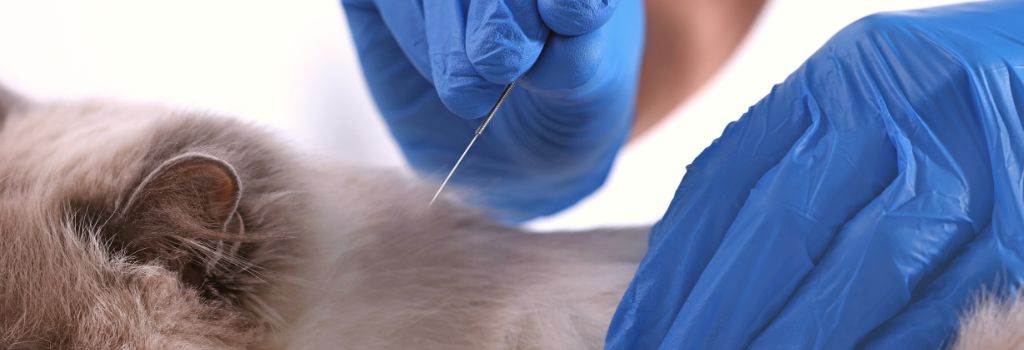
Cat acupuncture involves placing extremely small, sterile needles into specific points on the body to help stimulate nerves, muscles, circulation, and the body’s natural healing responses. Veterinary acupuncture has roots in Traditional Chinese Veterinary Medicine (TCVM), but modern research also suggests acupuncture may help stimulate blood flow, encourage release of natural pain-relieving chemicals, reduce inflammation, and support nervous system function.
Most cats tolerate acupuncture surprisingly well, and many become very relaxed during treatment sessions. Some cats even become sleepy or more affectionate during their appointments.
Treatment plans are individualized based on your cat’s condition, age, mobility, overall health, and comfort level.
How can acupuncture impact the health and well-being of my cat?
Acupuncture may help support cats dealing with both acute and chronic medical conditions by:
- Helping reduce inflammation
- Supporting pain management
- Improving mobility and flexibility
- Encouraging circulation
- Supporting nerve function
- Helping relax tense muscles
- Improving overall comfort and quality of life
For some cats, acupuncture may also help reduce reliance on certain medications or work alongside traditional therapies to create a more balanced treatment plan.
What are some symptoms and conditions that cat acupuncture may be able to treat?
Veterinary acupuncture may be beneficial for a variety of feline conditions, particularly those involving pain, inflammation, mobility, or chronic disease management.
Some of the conditions that we see improvement in cats after acupuncture are:
- Arthritis and degenerative joint disease
- Lower back pain and lumbosacral discomfort
- Mobility changes in senior cats
- Kidney and liver disease
- Lumbosacral disease, or arthritis in their lower back
- Asthma and respiratory disease
- Gastrointestinal disorders
- Neurological conditions
- Muscle soreness or tension
- Recovery from injury
- Chronic pain conditions
- Supportive care during cancer treatment
- Stress and anxiety-related conditions
While acupuncture is not considered a cure for these diseases, it may help improve comfort, mobility, appetite, and overall well-being when incorporated into a comprehensive veterinary treatment plan.
 How effective is cat acupuncture?
Many veterinarians and cat owners report noticeable improvements in comfort, mobility, energy levels, and overall quality of life after acupuncture treatments. While every cat responds differently, acupuncture can be a valuable supportive therapy for managing chronic pain, inflammation, mobility concerns, and certain medical conditions alongside traditional veterinary care.
Some cats show improvement relatively quickly, while others experience more gradual benefits over time with continued treatments. Depending on the condition being managed, veterinarians may observe positive changes not only in a cat’s comfort and behavior, but sometimes even in appetite, activity level, and certain monitoring parameters such as blood work trends when acupuncture is incorporated into a broader treatment plan.
Because feline acupuncture is often used as part of integrative medicine, it works best when combined with a comprehensive approach that may include medications, diagnostics, prescription diets, rehabilitation, supplements, or other supportive therapies tailored to your cat’s individual needs.
What is the typical range for the number of treatments required for cats receiving acupuncture?
Like most veterinary treatments - mainstream or integrative medicine - the number of treatments needed can vary from cat to cat and what disease we’re treating. However, because acupuncture works by gradually stimulating the body’s natural healing and regulatory responses, most cats will need a minimum commitment of three treatment sessions before fully evaluating how effective the therapy may be for them.
Some cats begin showing subtle improvements in comfort, mobility, energy level, or overall demeanor after their first session, while others require several treatments before more noticeable changes occur. Cats experiencing acute injuries or temporary flare-ups may only need a short series of treatments, while cats managing chronic conditions such as arthritis, kidney disease, mobility changes, or long-term pain may benefit from ongoing maintenance sessions at intervals recommended by your veterinarian.
Because every cat responds differently, acupuncture treatment plans are individualized and may be adjusted over time based on your cat’s response, comfort level, and overall progress.
How will a veterinarian diagnose the need for cat acupuncture?
During an integrative medicine consultation, our veterinarian will perform a comprehensive evaluation of your cat’s medical history, lifestyle, mobility, comfort level, physical examination findings, underlying medical conditions, and overall quality of life to determine whether therapies such as acupuncture may be beneficial. These consultations are designed to look at your cat’s health as a whole and identify supportive treatment options that may work alongside traditional veterinary medicine to improve comfort, mobility, and overall well-being.
Acupuncture is commonly considered for cats experiencing:
- Chronic pain
- Arthritis or mobility changes
- Neurological conditions
- Inflammatory disease
- Gastrointestinal disorders
- Respiratory disease such as asthma
- Senior pet discomfort
- Chronic illness support
- Recovery from injury or surgery
During the consultation, our doctor may also discuss additional supportive therapies, lifestyle modifications, pain management strategies, nutrition, supplements, rehabilitation options, and long-term wellness goals tailored specifically to your cat’s individual needs.
As integrative veterinary medicine continues to grow, many veterinarians are increasingly incorporating therapies like acupuncture into their treatment plans after seeing firsthand how some feline patients improve in comfort, energy, mobility, and overall quality of life when supportive therapies are combined with modern veterinary care.
Is Acupuncture Safe for Cats? Are there any risks or side effects associated with cat acupuncture?
When performed by a properly trained veterinarian, acupuncture is generally considered very safe for cats. The needles used are extremely small and thin, and most cats tolerate treatment far better than many owners expect. In fact, many cats become relaxed or even sleepy during their sessions. While not every cat immediately loves the idea of acupuncture, most are surprisingly tolerant when treatments are introduced slowly and gently. If a cat shows discomfort at a particular acupuncture point, the veterinarian can simply remove the needle, work with other areas first, and then gradually return to that spot later if appropriate. Taking a calm, patient approach helps make the experience much more comfortable for feline patients.
Some cats may show improvement after just one session, while others benefit most from ongoing treatments as part of a long-term pain management or integrative care plan.
At The Animal Doctors of Orange County, our goal is always to create individualized treatment plans focused on your cat’s comfort, mobility, quality of life, and long-term wellness. We proudly offer integrative veterinary care options, including feline acupuncture, for cats throughout Anaheim, Buena Park, Mission Viejo, and surrounding Orange County communities.
What should I expect before, during, and after my cat's acupuncture session?
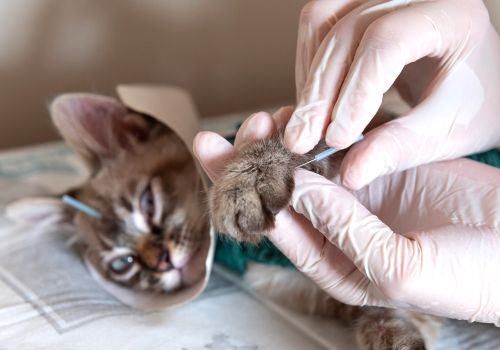
Most feline acupuncture sessions are performed in a quiet exam room with one of our veterinary team members gently helping your cat feel secure and comfortable during treatment. Once the acupuncture needles are placed, we typically dim the lights and allow your cat to relax in a calm, low-stress environment for several minutes. Creating a peaceful space helps many cats settle comfortably during their session and minimizes excessive movement that could dislodge the needles too quickly.
The needles generally remain in place for about 10 to 15 minutes before being carefully removed. After treatment, most cats are able to go home right away and resume normal activity. Some cats may seem extra relaxed or slightly sleepy for the remainder of the day, which is a common and generally mild response following acupuncture therapy. Many owners actually report their cats appearing calmer and more comfortable after their sessions.
How will I know if acupuncture treatments are helping my cat?
Sometimes you can clinically see the improvement with cat acupuncture as the blood work improves. In general, though, cat owners have pretty good intuition. If you’ve reached out for other treatment modalities and ended up doing acupuncture, you'll see if your cat is either eating better, has more energy, or perhaps is drinking less water—some of the signs we see with kidney disease, for example—the signs and symptoms of the disease that we're treating improve.
At The Animal Doctors of Orange County, your pet is our priority. If you have any questions, don't hesitate to call our team; our staff would love to talk with you!
Don't forget to follow us on social media: Facebook, Instagram.