
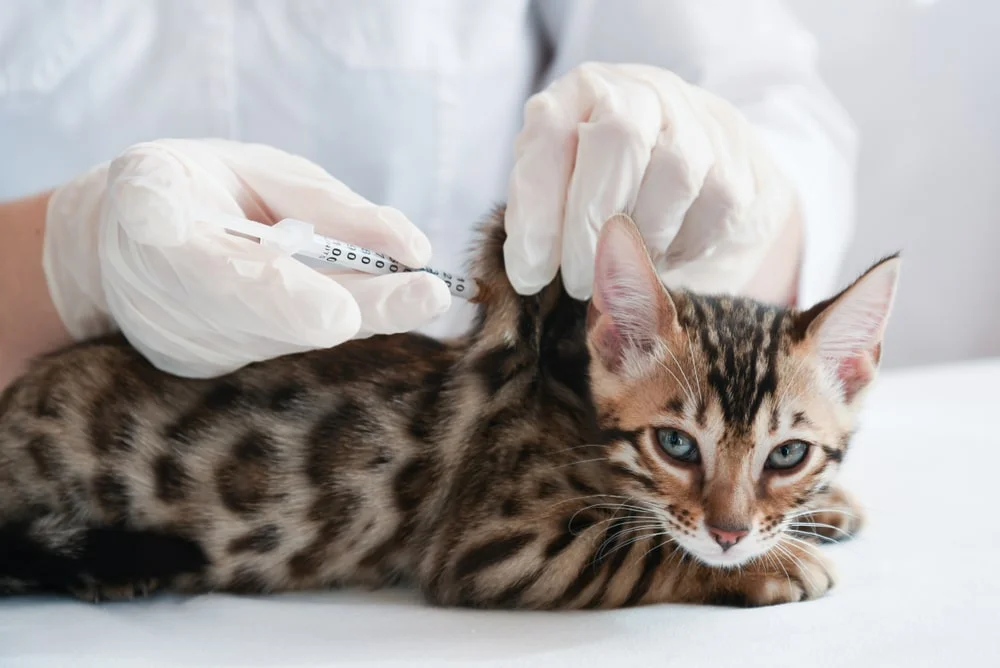
If this is your first time owning a cat, you’ve likely turned to the internet for answers about how to care for your new and precious pet. At The Animal Doctors, we work extremely hard to get you the accurate information you need. Unfortunately, many well-meaning pet parents share material that isn’t factually accurate or what your veterinarian would want you to do or know. That’s why we’ve answered the most frequently asked questions about cat vaccinations thoroughly and accurately so that you can get your cat on the path to optimal wellness.
If you’re looking for a highly trained veterinarian in Anaheim, Buena Park or Mission Viejo, California, we’d love to help you care for your cat and any other pets. The first order of business is to get your cat seen to ensure they have no undisclosed illnesses, so please visit us right away.
What exactly are cat vaccinations?
Like any vaccination, a cat vaccine introduces a modified, safe version of a pathogen, usually a virus or bacteria, to stimulate the immune system. You can think of it like practice sparring versus a real battle. The vaccine gives your cat’s body a controlled, low-risk “training session,” allowing the immune system to recognize the threat, learn how to respond, and build the right defenses.

During this process, the body produces antibodies and creates a memory of that pathogen. So if your cat is ever exposed to the real thing, it’s not encountering it for the first time. Instead of being caught off guard, the immune system is prepared and can respond faster and more effectively, often preventing severe illness or reducing the impact of the disease.
Are vaccinations for my cat necessary?
Vaccinations are one of the most important ways to protect your cat from serious, and sometimes fatal, diseases. Some illnesses, like Rabies, are not only deadly for cats but can also be transmitted to humans, making prevention critical. Rabies is considered nearly 100% fatal once symptoms develop in an unvaccinated animal. Other diseases may not pose a direct risk to people but can still have severe consequences for your cat. Feline Leukemia Virus is a common example, a contagious viral disease that can significantly impact a cat’s immune system and overall quality of life.
The challenge is that we can’t predict what your cat may be exposed to over time, whether through other animals, the environment, or unexpected situations. Vaccines help prepare your cat’s immune system in advance, giving them the ability to respond quickly and effectively if they encounter these threats.
Starting vaccinations at a young age is especially important, as it helps build a strong foundation of antibody protection early in life and supports long-term health and safety.
What cat vaccinations are typically recommended, and what are they for?
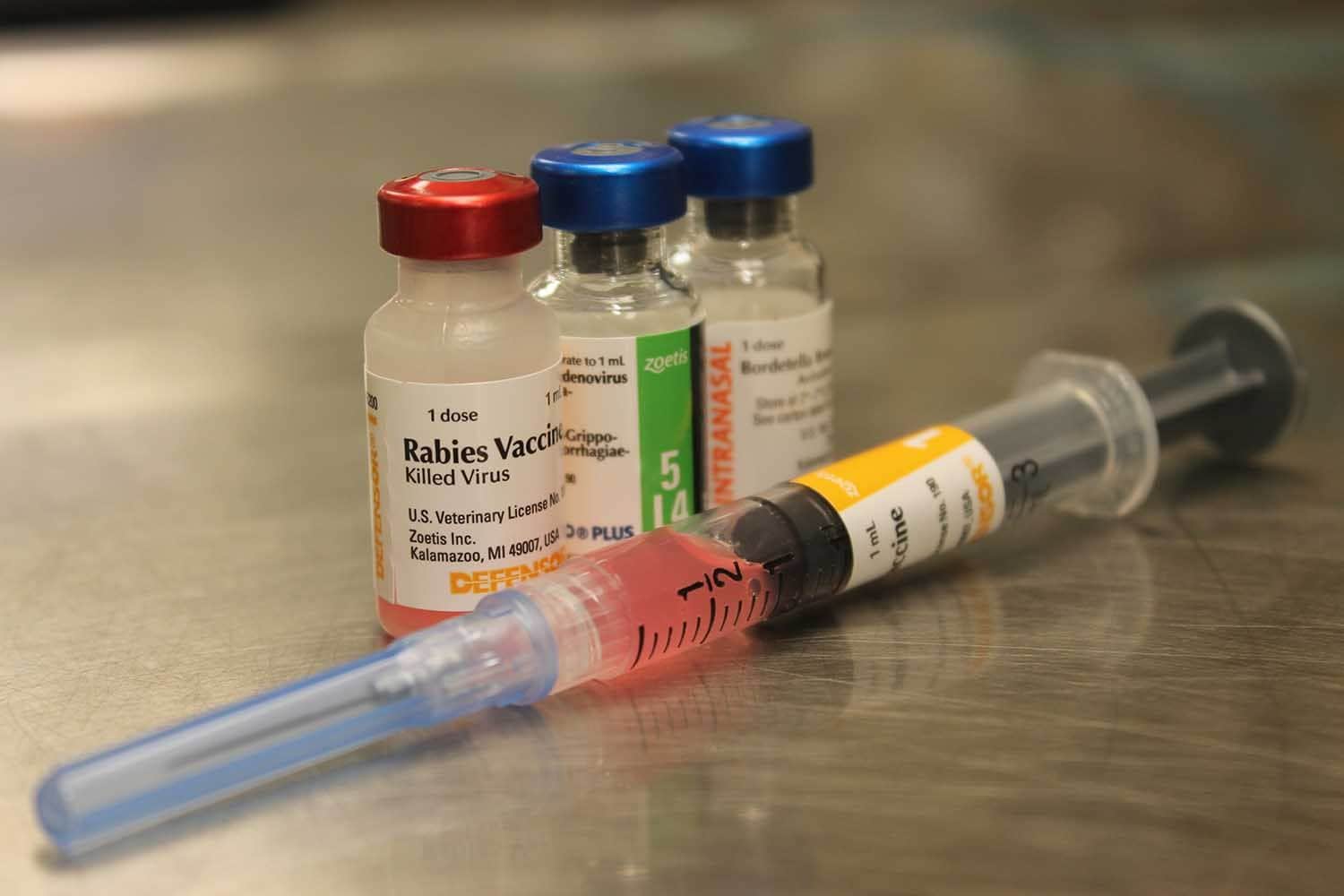
- Rabies – This is highly recommended and required by law for all domestic cats in the United States. The rabies vaccination starts when they are a kitten and continues throughout their life.
- Feline Viral Rhinotracheitis, Calicivirus, and Panleukopenia – This combination vaccine covers upper respiratory infections common in cats. Since these are viral, they can be inadvertently brought into the home from outside. Even if you have an indoor cat, we recommend protecting them against these viral infections every year.
- Feline Leukemia Virus – spread through close contact between cats, including bite wounds, grooming, or shared bowls. While risk is higher for outdoor cats or multi-cat environments, exposure can still occur in homes that foster, pet sit, or if a cat accidentally gets outside. Because these situations are not always predictable, the American Association of Feline Practitioners recommends an initial vaccine series and one-year booster for all cats, as a safe baseline of protection.
We recommend these core vaccines at a bare minimum, covering the most life-threatening illnesses and those your cat will most likely be exposed to.
What is the vaccination schedule for kittens, as opposed to adult and senior cats?
Kittens receive their initial vaccines at eight weeks after testing to ensure they’re not already carrying the feline leukemia virus since they can contract that from their mothers. Feline leukemia and distemper are done at eight weeks, with boosters every four weeks for a total of three doses for feline distemper and two doses for feline leukemia. Then they receive the rabies vaccine at 12-16 weeks, with an annual booster.
Adult cats fall into the “annually thereafter” category. Assuming an adult cat received vaccinations as a kitten, they would require annual revaccination for most pathogens for the rest of their life. If an adult cat has never been vaccinated, they’ll receive their first vaccines immediately, followed by boosters in three to four weeks and annually after that.
Regarding senior cats, there is often discussion around whether vaccines should continue once a cat reaches 12 to 14 years of age and has received consistent boosters. It is a fair question, and the answer can vary depending on the individual patient. In general, we still recommend continuing vaccinations. While older cats may have built antibodies over time, their immune systems are not as strong as they once were, similar to aging in humans, which can make them more vulnerable to illness.
If there is concern about over-vaccination, titer testing can be considered. This allows us to measure existing antibody levels and help guide a more individualized vaccination plan based on your cat’s current immunity and lifestyle.
Are there risks or side effects associated with cat vaccines?
Typically, cat vaccines are very safe, with most cats receiving their vaccines and experiencing no side effects.
In rare cases, a cat can have an anaphylactic reaction, which is an allergic reaction to a vaccine that may cause:
- Fever
- Facial swelling
- Itching
- Hives
- Vomiting
- Diarrhea
If any of those symptoms present, owners should bring their cat back to The Animal Doctors immediately, and future vaccinations will be reconsidered. This is why it’s so essential that all cats that can be vaccinated are vaccinated, so the occasional cat that cannot is still protected by other cats in the area being vaccinated.
Aside from the rare anaphylactic reaction, some cats can be a bit lethargic following vaccinations, and some are prone to developing a type of sarcoma at the vaccine site. Side effects are rare, and the potential for these diseases is high if not vaccinated; therefore, the benefits outweigh any potential complications.
If my cat is going to strictly live indoors, do they still need to be vaccinated?
Yes, indoor cats still need to be vaccinated, and the rabies vaccination is required by law regardless of your cat being indoors or outdoors. Despite assuming your indoor cat is safe from rabies, infected bats have gotten into homes and biting cats. Cats can escape out an open door or window and unexpectedly come into contact with another cat or rabid animal. (Another reason microchipping your cat is also always recommended!) While the likelihood is low, it only takes one escape for an unprotected cat to become infected. Vaccinating indoor cats when they’re kittens is also crucial because their living environment may change. While you might have adopted the cat while living in a high-rise apartment with minimal opportunity for escape, you might find yourself living in a single-family home with a yard in the future.
Why is it important to avoid missing a cat vaccination?
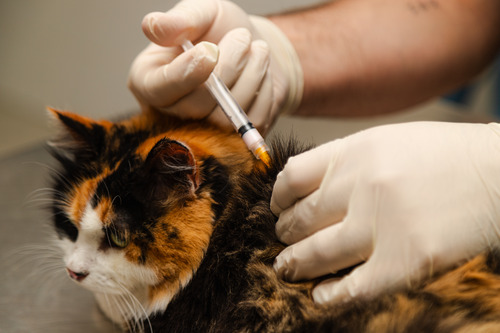
Vaccines rely on immune memory cells, so when you booster a vaccine, you remind those cells of what this pathogen looks like and how to respond to it. If you miss boosters, your cat no longer has the proper protection and may need to restart the series to ensure adequate protection.
It’s also vital that you don't administer vaccines any closer than three weeks apart because the immune system cannot form an anamnestic response and produce adequate antibodies to that second or third set. Conversely, you don't want them to be administered more than six weeks apart. After six weeks, the antibody production will spike and then dwindle to the point that it's almost like starting again.
The AVMA has released its vaccination guidelines for cats, which can also be highly beneficial. At The Animal Doctors of Orange County, your pet is our priority. If you have any questions, don't hesitate to call or text any of our locations. Our staff would love to talk with you!
Don't forget to follow us on social media: Facebook, Instagram.