Optimal cat nutrition is the key to your cat's long-term health and quality of life. From transitioning food as they progress from the kitten stage to adulthood to ensuring they receive adequate vitamins and minerals in their food, we must meet their nutritional needs. If you've recently noticed a change in their weight or excessive itching, you may have turned to the internet to see if it's nutrition-related. At The Animal Doctors, we work extremely hard to bring you the accurate information you need. We've taken the FAQs about cat nutrition and answered them as thoroughly and accurately as possible to ensure you have the facts.
If you’re looking for a highly trained veterinarian in Anaheim, Buena Park or Mission Viejo, California, we'd love to see your cat to ensure they're receiving adequate nutrition, so please call or text us at any of our locations.
How does nutrition impact the health and wellbeing of my cat?
Nutrition significantly impacts your cat, with everything they put into their mouths affecting every aspect of their health. You want to feed your cat high-quality food, understanding that it's responsible for their hair coat quality, intestinal health, heart health, and brain health. It's essential to start with a healthy diet when they are kittens and maintain that throughout their lives, as poor nutrition can lead to preventable diseases.
Some cat foods are specific to your cat's needs, and there are countless types of cat food to choose from. At The Animal Doctors, we recommend specific food depending on your cat's age and will likely suggest a prescription diet if they have kidney, renal, or gastrointestinal issues.
What are some nutritional requirements for a cat?
Cats are considered true carnivores, but that doesn't mean they strictly need meat in their diet — they also need other nutrients. Cats need specific amino acids, vitamins, and minerals, which the diets you get at the store or from your veterinarian provide—these ingredients aren't always present in raw diets. Some cat owners feed their cats a raw diet because they think they're providing the very best for them, but veterinarians see a lot of issues as a result.
Cat health issues as the result of a raw food diet include:
- E. coli overloads
- Salmonella overloads
- Listeria, which can also spread to the owner
Every cat needs plenty of water, a protein source, fats, vitamins, and minerals — all of which generic cat food brands provide. Purina offers additional insight regarding the pros and cons of raw food diets. If you still want to feed a raw diet, find a veterinarian that will work with you and your cat’s specific needs.
Will my cat's nutritional requirements change throughout its life as a kitten, adult, and senior cat?
Your cat's nutritional needs change throughout their life, so they need appropriate food for their age. For example, a growing kitten needs kitten food for growth, while a senior cat sometimes needs a senior diet. They'll eat adult food as a maintenance diet but typically transition to a senior diet when they reach 7-8 years old. If an older cat has developed some health issues, consult with your veterinarian about a specific diet to help slow the progression or reverse the changes you're seeing. A generic senior diet won't necessarily help if they have a particular issue, so your veterinarian may suggest a prescription diet.
What are Hydration Recommendations for Cats?
Proper hydration plays an important role in your cat’s overall health, including supporting skin, digestion, and urinary tract function. Many cats naturally prefer moving water, so using a water fountain can encourage them to drink more throughout the day. Increased water intake can be especially helpful for cats who are prone to urinary or skin concerns.
If you are using a traditional water bowl, we recommend choosing stainless steel rather than plastic. Stainless steel is non-porous, easier to clean, and can be safely washed in the dishwasher to help reduce bacteria buildup. This is particularly important for cats that are prone to chin acne or skin irritation.
No matter which option you choose, fresh water should be available at all times, and bowls or fountains should be cleaned regularly to maintain a safe and healthy environment
What are some signs and symptoms of poor cat nutrition in my cat?
Several symptoms come with inadequate cat nutrition, many of which are visible just by looking at your cat.
Signs of poor cat nutrition include:
- Dull hair coat
- Hair loss
- Excess dander
- Skin disorders
- Excess weight
- Underweight
- Urinary issues
- Regular vomiting
- Poor oral health
At The Animal Doctors, we recommend that cats eat a dry diet or a mix of dry and canned food, as hard food can help keep tartar and plaque off their teeth. Just as cats are prone to urinary tract infections, they're also prone to dental problems.
What are some common food allergies in cats, and how can I tell if my cat is suffering from them?
Cats' food allergies aren't as common as in dogs. The most common food allergy veterinarians in kittens are related to their protein source, most often chicken or beef. This can cause itchiness, so if your cat seems overly itchy in their ears, back, shoulders, or chin, it's time to consider a possible food allergy. You might also notice some hair loss due to excessive itching. They could also have some gastrointestinal issues resulting from allergies and chronic ear infections.
Allergies most often manifest in the skin but are commonly confused with an adverse food reaction that causes frequent vomiting and sometimes diarrhea.
Regarding cat food, what and how much should I be feeding them when it comes to kibble versus canned versus fresh food?
Your veterinarian will help you make the best decision for your cat regarding the type of food, depending on their needs, life stage, and any health issues. Selecting cat food is an individual decision for each cat.
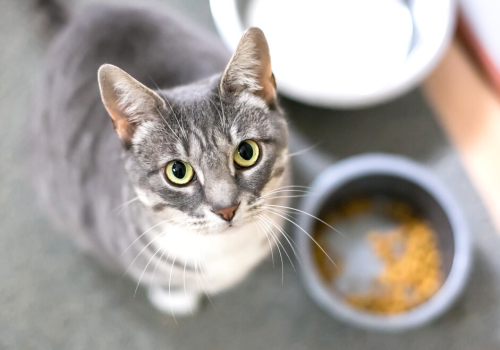
The general rule for feeding dry food to a healthy adult cat is a half-cup per cat per day. It can be one feeding, or you may break it up into multiple feedings. To understand if that's working for your cat, ask yourself if they appear to be thriving. How does their hair coat look? How do their stools look? Are they overweight? Are they inquisitive? Are they energetic? Cats are very intelligent and should play throughout their entire life — even when they're old.
If you have an outdoor cat roaming the neighborhood, you might find that they require more food since they are expending more energy and therefore burning more calories than an indoor cat curled up in the sun sleeping most of the day. Feed for appropriate body condition, keeping kittens lean. As cats age, a little extra weight is okay because it provides a bit of cushion if they develop a chronic disease that takes them off their food. On average, a healthy young or middle-aged cat should eat approximately 200 calories per 10 pounds of body weight. For a 12-pound cat, you should give them approximately 225 calories per 10 pounds of body weight. If they're becoming overweight, cut back on their food a little. If they're getting too skinny, increase it by 10 to 15%. The AVMA has a handy chart to help determine if your cat's weight is healthy.
What Do Cats Prefer?
Kibble
Cats can be surprisingly particular about their food, and it’s not just about flavor. Research shows that the size, shape, and texture of kibble all play a role in how appealing a food is to cats. Studies on feline feeding behavior have found that cats often prefer kibble that is easy to pick up and bite, with shapes and sizes that match their natural chewing style. In fact, some research has shown that specific shapes like disc or cross-shaped kibble scored higher in palatability tests compared to other shapes . Additionally, even subtle changes in kibble shape or consistency can significantly affect whether a cat will accept or reject a food .
Cats are also highly sensitive to texture and mouthfeel. Because their teeth are designed for tearing rather than grinding, kibble that is appropriately sized and shaped can make a big difference in how easily they eat and how much they enjoy their food.
Wet Food
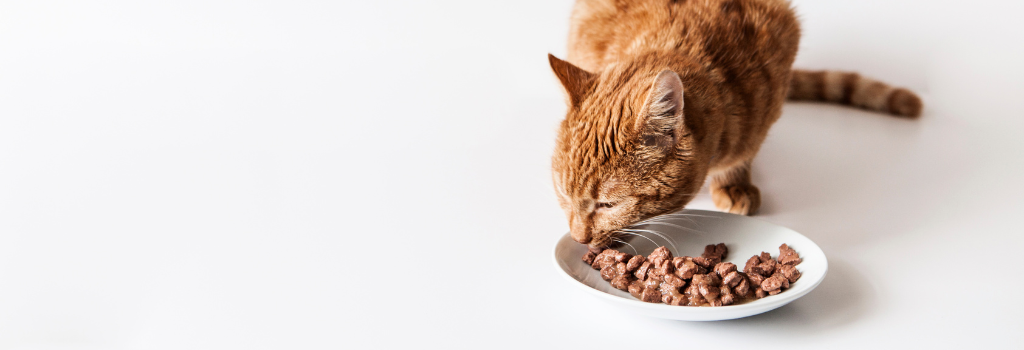
Many cats naturally gravitate toward wet food, and there’s a biological reason for that. Cats are obligate carnivores, meaning their bodies are designed to get much of their hydration and nutrition from prey. Because of this, they often prefer foods that are higher in moisture and have a softer texture, similar to what they would eat in the wild. Research on feline feeding behavior has shown that cats tend to favor foods with higher moisture content, strong aroma, and softer textures, all of which are characteristic of wet food. Smell plays a major role in a cat’s appetite, and wet food typically has a stronger scent than dry kibble, making it more appealing.
Wet food also provides an added benefit of increasing daily water intake, which can be especially helpful for cats that are not naturally inclined to drink enough from a bowl. This can support urinary tract health and overall hydration.
That said, preference can vary from cat to cat. Some enjoy pâté-style textures, while others prefer shredded or chunked varieties in gravy. Offering a mix or experimenting with textures can help you find what your cat prefers. If your cat is picky or not eating well, it may be less about the ingredients and more about texture, moisture, and aroma, and adjusting these factors can make a meaningful difference.
At The Animal Doctors of Orange County, your pet is our priority. If you have any questions, don't hesitate to call or text any of our locations. Our staff would love to talk with you!
Don't forget to follow us on social media: Facebook, Instagram.