When your pet needs answers, speed and accuracy matter. At The Animal Doctors of Orange County, our laboratory capabilities go far beyond a standard veterinary clinic — combining cutting-edge in-house diagnostics, a trusted reference laboratory partnership, and direct connections to university specialists for the most complex cases. Whether your pet is in for a routine wellness check or a same-day urgent concern, we have the tools to get answers fast.
Why Laboratory Testing Is Central to Great Veterinary Care
Lab work is a snapshot of your pet's health at a precise moment in time. Organ values, blood cell counts, and metabolic markers shift from hour to hour based on hydration, stress, activity, and dozens of other variables. That's why a single result rarely tells the whole story. What truly matters is the trend: how today's values compare to last year, and the year before that.
This is why we recommend routine lab testing for pets at every life stage, not just when something seems wrong. Dogs and cats are instinctively skilled at masking illness. By the time symptoms appear, disease has often been progressing quietly for weeks or months. Comprehensive laboratory screening lets our teams across Orange County get ahead of that curve, catching changes early when treatment is most effective and outcomes are best.
Our In-House Laboratory: Results When You Need Them
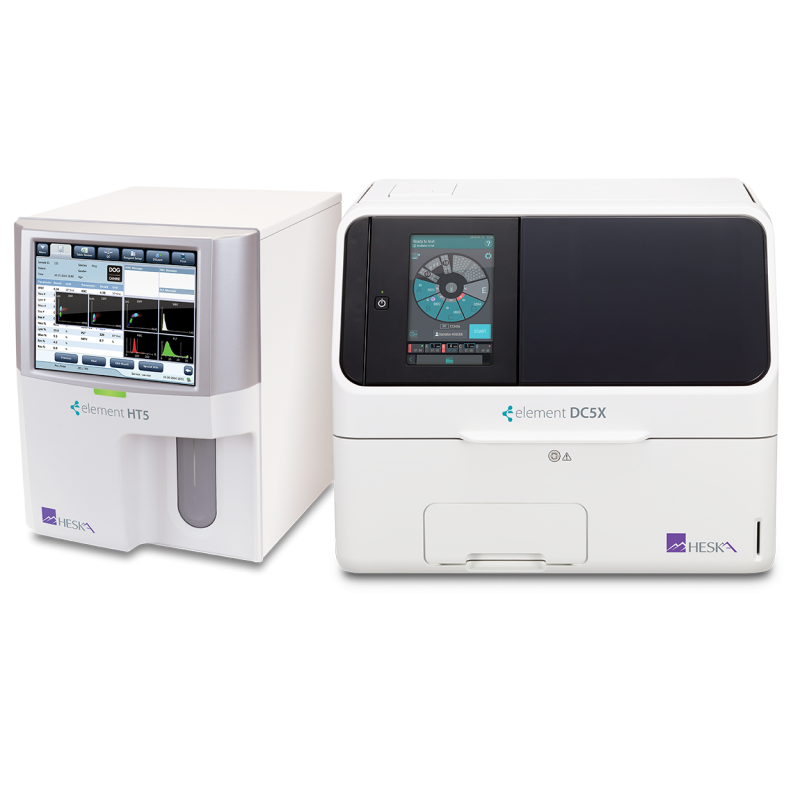
Our in-house laboratory equipment from Heska and Bionote (Bionet) allows our teams to run a wide range of critical diagnostics right at the clinic, often within minutes. There's no waiting a day or two for results when your pet is sick or when a pre-surgical decision needs to be made quickly. Our in-house capabilities include:
- Complete Blood Count (CBC)
- Blood chemistry panels
- Urinalysis
- Electrolyte analysis
- Fecal testing
- Cytology
- NT-proBNP cardiac biomarker testing (see below)
Having this technology in-house means faster diagnoses, faster treatment decisions, and less stress for your pet and your family.
Our Newest In-House Test: NT-proBNP Cardiac Screening
One of the most significant recent additions to our in-house diagnostic capabilities is NT-proBNP (pro-B-type natriuretic peptide) testing — a cardiac biomarker that is changing the way veterinarians detect and monitor heart disease in dogs and cats.
The heart releases NT-proBNP when its muscle cells are under stress or being stretched beyond their normal range. The higher the level in the bloodstream, the more strain the heart is experiencing. This test allows our teams to:
- Screen for hidden heart disease before obvious symptoms develop
- Distinguish cardiac causes from respiratory causes when a pet is coughing or having trouble breathing, which can look identical without further testing
- Monitor known heart patients and track disease progression over time
- Guide pre-anesthetic risk assessment for pets with suspected cardiac concerns
This is particularly powerful for cats, where hypertrophic cardiomyopathy (HCM) affects roughly 1 in 6 cats and can be completely invisible on x-rays and physical exam. NT-proBNP testing is now recommended in AAHA's 2023 Senior Care Guidelines for Dogs and Cats and has become a critical part of proactive cardiac screening. Having this test available in-house means we can get results the same visit, not days later.
Antech Reference Laboratory: Comprehensive Panel Testing
For a broader range of diagnostic needs, we partner with Antech Diagnostics, one of the leading veterinary reference laboratories in the country. Antech allows us to offer an extensive menu of panels and individual tests tailored to your pet's specific life stage and clinical situation.

Our Most Common Panels
Pre-Anesthetic Panel Before any procedure requiring sedation or anesthesia, including dental cleanings, we recommend this panel to confirm your pet's organs are functioning safely and to guide our anesthetic protocol. This is a standard of care that protects your pet and gives our team critical information before they go under.
Junior Wellness Panel Designed for young, healthy dogs and cats, this panel establishes an early baseline of what "normal" looks like for your individual pet. Starting this record early means that when subtle values shift years down the road, we have the history to recognize it. It also screens for congenital conditions that may not yet be showing signs.
Senior Wellness Panel Our most comprehensive routine panel, designed for pets entering their senior years (generally age 7 and older). As pets age, the risk of kidney disease, liver disease, thyroid dysfunction, diabetes, and other conditions increases significantly. This expanded panel includes SDMA kidney biomarker testing, thyroid screening, and a full organ function assessment. We often recommend senior panels twice yearly, since organ values can shift more rapidly in older pets.
Individual Marker Testing Sometimes a specific concern warrants targeted testing rather than a full panel. Common individual tests we send to Antech include:
- T4 (Thyroid) for dogs with suspected hypothyroidism or cats with suspected hyperthyroidism
- Cortisol testing for dogs with suspected Cushing's disease (hyperadrenocorticism) or Addison's disease
- SDMA for early kidney function monitoring
- Bile acids for liver function assessment
- Feline pancreatic lipase (fPL) and canine pancreatic lipase (cPL) for pancreatitis
- Progesterone testing for breeding management
- Infectious disease titers and other specialized markers
If your pet has a specific health concern, our teams can build a targeted testing approach rather than a one-size-fits-all panel.
University Specialist Submissions: When Cases Need the Best in the Country
For certain samples and conditions, the best analysis in the world isn't done at a commercial reference lab. It's done at a university that has spent decades building the most advanced expertise and database for that specific material. We maintain relationships with leading veterinary universities and submit samples directly when it serves our patients best.
Bladder Stones: University of Minnesota Urolith Center
When bladder stones are removed or passed, identifying their exact mineral composition is critical to preventing recurrence. The wrong diet recommendation based on an assumed stone type can actually make the problem worse.
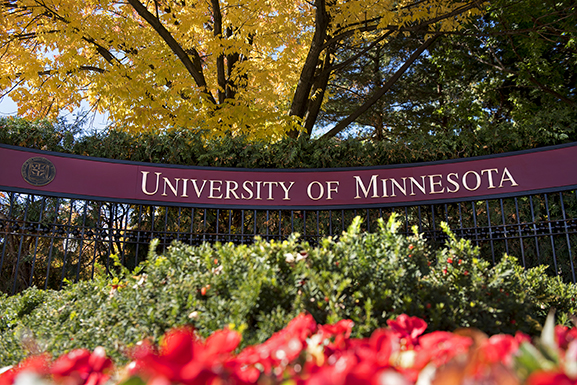
For urolith analysis, we submit samples to the Minnesota Urolith Center at the University of Minnesota College of Veterinary Medicine the largest veterinary stone analysis laboratory in the world. The center provides quantitative urolith analysis using polarizing light microscopy and infrared spectroscopy, and has analyzed over 1.7 million samples from more than 100 species submitted by veterinarians in 70 countries. Their analysis comes with specific dietary and management recommendations to reduce the risk of stone recurrence, tailored to the exact mineral type identified.
This matters enormously for your pet's long-term quality of life. Struvite stones, calcium oxalate stones, urate stones, and cystine stones all require different management strategies. Guessing the type and hoping for the best is not an acceptable standard of care. University analysis gives us a definitive answer.
Other Specialized Submissions
Depending on the clinical situation, we may also submit samples to other veterinary university diagnostic laboratories that have built recognized expertise in specific areas, including dermatopathology, oncology pathology, and other specialized fields. Our goal is always to get the right answer from the right expert, not just the fastest turnaround.
What We Test For: A Full Picture of Your Pet's Health
Across all our laboratory partnerships, our testing capabilities cover virtually every major body system:
Organ Function Kidney (including SDMA for early detection), liver, pancreas, adrenal glands, and thyroid
Blood Health Red blood cell counts and anemia screening, white blood cell evaluation for infection and immune response, platelet counts for clotting ability
Metabolic and Hormonal Blood glucose and diabetes monitoring, thyroid function (T4), cortisol and adrenal function, bile acids
Cardiac NT-proBNP for heart stress and disease screening
Urinary Tract Urinalysis for kidney function, infection, crystals, glucose, and protein; urolith mineral analysis for stone composition
Infectious Disease Heartworm, tick-borne illness panels, feline leukemia (FeLV), feline immunodeficiency virus (FIV), parvovirus, and more
Gastrointestinal Fecal parasite screening, B12/folate, cobalamin, pancreatic enzyme levels
When We Recommend Laboratory Testing
Annual Wellness Visits Routine bloodwork and urinalysis establish and update your pet's personal health baseline year after year. That trend line over time is one of our most powerful diagnostic tools.
Semi-Annual Senior Screening For pets 7 years and older, we recommend twice-yearly panels. Organ values can shift more quickly in senior pets, and the earlier we catch changes, the more options we have.
Before Surgery or Anesthesia Pre-anesthetic bloodwork is standard before any sedated procedure, including dental cleanings, to confirm safety and guide anesthetic planning.
Before Starting New Medications Some long-term medications affect the liver, kidneys, or other systems. Baseline testing before starting treatment allows us to monitor safely.
When Your Pet Is Sick When symptoms are present but the cause is unclear, lab work provides direction. Vomiting, lethargy, increased thirst, weight loss, and changes in urination all have many possible causes. Blood and urine testing help narrow the field quickly.
Monitoring Chronic Conditions For pets managing diabetes, kidney disease, thyroid disease, heart disease, Cushing's, and other ongoing conditions, regular lab monitoring tracks disease progression and confirms treatment is working.
Transparency and Partnership
When we recommend a test, we will always explain what we are looking for and why. Lab results are reviewed with you in context, not just flagged as normal or abnormal on a printout. A value that is technically within range may still be trending in a direction worth watching. A value outside range may be completely expected for that individual pet. Context and history are everything.
Our teams across Orange County treat lab results as the beginning of a conversation, not the end of one.
Schedule Your Pet's Lab Work Today
Whether your pet is due for their annual wellness panel, needs pre-surgical screening, or you have a specific health concern you want investigated, we are here to help.
Proudly serving Anaheim, Fullerton, Brea, Yorba Linda, Buena Park, La Mirada, Placentia, Orange, Tustin, Irvine, Huntington Beach, Fountain Valley, Mission Viejo, Lake Forest, and all surrounding Orange County communities.
Your Pet’s Health and Happiness Begin Here
Service FAQ
How often should my pet have routine blood work done?
The frequency of routine blood work depends on your pet’s age, health status, and any ongoing conditions. Generally, we recommend annual blood tests for adult pets and more frequent testing for seniors or those with chronic health issues. These regular check-ups help us establish baseline values and detect any changes early on.
How long does it take to get laboratory results?
One of the advantages of our in-house laboratory is the quick turnaround time. Many routine tests can provide results within 30 minutes to an hour, allowing us to discuss findings and treatment options during the same visit. More specialized tests may take a bit longer, but we always strive to deliver results as quickly as possible.
How do laboratory tests help in emergency situations?
In emergencies, rapid access to laboratory results can be life-saving. Our in-house lab allows us to quickly assess your pet’s condition, identify underlying issues, and guide immediate treatment decisions. This speed is crucial when dealing with critical situations such as poisoning, trauma, or sudden illness.
What types of tests can be performed in your in-house laboratory?
Our in-house laboratory is equipped to perform a wide range of tests, including complete blood counts (CBC), biochemistry panels, urinalysis, thyroid hormone tests, and electrolyte assessments. We can also conduct tests for specific diseases or parasites as needed, ensuring comprehensive care for your pet.
Are laboratory tests painful for my pet?
Most laboratory tests require only a small blood sample, which is typically drawn quickly and with minimal discomfort. Our skilled staff is trained to make the process as stress-free as possible for your pet. For some tests, we may only need a urine or fecal sample, which is entirely non-invasive.
Can laboratory tests detect diseases before symptoms appear?
Yes, many health issues can be detected through laboratory tests before visible symptoms develop. This early detection is particularly valuable for conditions like kidney disease, diabetes, or thyroid disorders. Catching these problems early often leads to more effective treatment and better long-term outcomes for your pet.