
Are you a pet owner who wants to ensure your cat stays safe and secure? Microchipping your cat is a great way to make sure they come back home if they ever get lost. Microchipping has become a widely recommended and essential procedure for cats by veterinarians.
At The Animal Doctors, we are proud to provide the highest quality and best service to pet owners. In this article, we discuss what microchipping is and why it is beneficial, as well as other important information related to cat microchipping. We hope this article helps you understand the process and makes it easier for you to decide if microchipping is right for your cat.
What is Cat Microchipping?
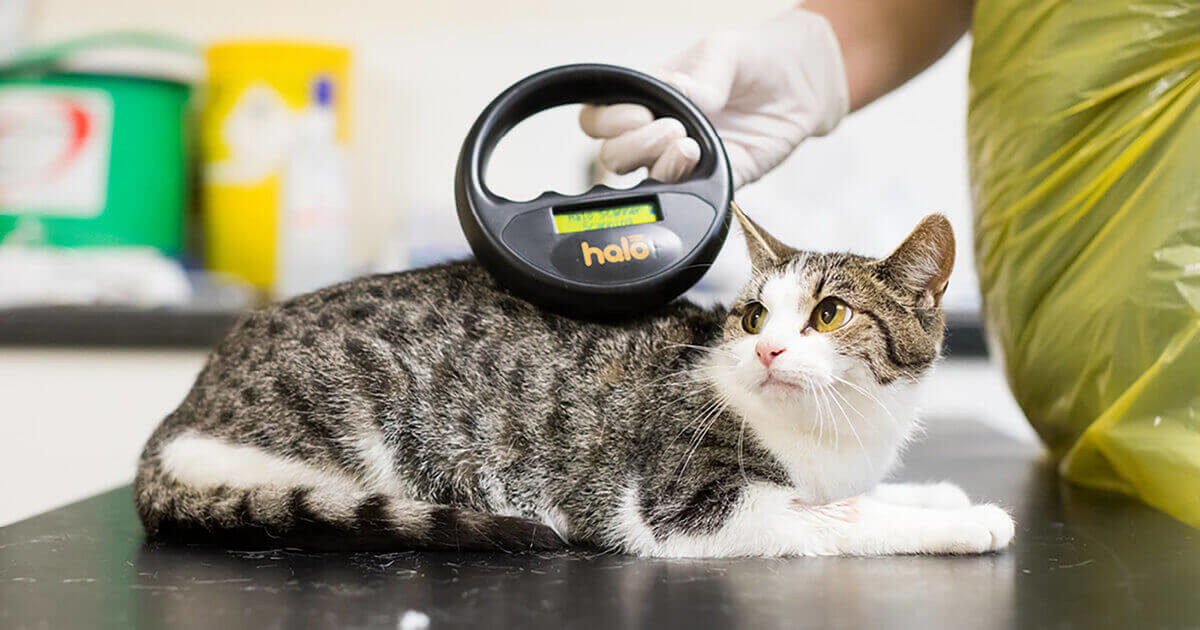
Cat microchipping is the process of implanting a small microchip, about the size of a grain of rice, in a cat for identification purposes. The microchip is a passive radio frequency identification (RFID) tag that stores a unique identification number but does not actively transmit any information. When scanned by a special microchip scanner, it provides the identification number, which is registered in a database along with the pet owner's contact information.
The procedure itself is quick and relatively painless, similar to giving an injection. The sterile microchip is inserted under the skin between the shoulder blades of the cat using a needle loaded into a syringe. Most cats tolerate the procedure well with minimal discomfort.
Why Do Veterinarians Recommend Microchipping?
Veterinarians recommend microchipping cats for several reasons. First and foremost, it increases the likelihood of being reunited with a lost pet. According to a study by The Ohio State University College of Veterinary Medicine, microchipped dogs had a 52.2% chance of being returned to their owners, whereas dogs without microchips had only a 21.9% chance. For microchipped cats, the rate was 38.5%, compared to 1.8% for cats without microchips.
Microchipping also offers a secure and permanent way to identify pets, as opposed to collars and ID tags that can fall off or become illegible over time. Veterinary offices and animal shelters are equipped to scan for microchips and identify the pet's owner quickly.
In addition, microchipping is an inexpensive and durable procedure that lasts for the pet's entire life; registrations for the chip may involve a nominal fee. It also serves as proof of ownership in case of theft or disputes regarding pet ownership. Finally, it stores personal information securely in a database accessible by chip providers, keeping it safe from identity theft.
.jpg)
Is Microchipping Painful or Dangerous for My Cat?
The risks associated with microchipping are minimal. If done correctly and under sedation or general anesthesia, the procedure is pain-free and relatively risk-free. The only true risk of microchipping is the incorrect insertion of the chip, but if carried out by a professional, this is not likely to happen. In general, the benefits of microchipping your cat far outweigh the potential complications that may arise.
The sensation your cat will experience during the actual implantation process is comparable to that of a vaccination or other injection. Most cats have no trouble receiving the microchip. Furthermore, many pet owners opt to have their cat spayed or neutered at the same time they are microchipped, meaning they will be sedated and unable to feel anything, which further eases the procedure.
How Does a Cat Microchip Identify My Cat?
When scanned by a microchip scanner, the chip transmits the unique identification number stored on it. This number is then cross-referenced with the pet owner's contact information in a database, allowing for easy reunification of lost pets.
It is important to note that microchips do not track location; they are only used to identify a pet. For this reason, it is still recommended that cats wear collars and ID tags with their owner's contact information as an additional form of identification.
Why Does My Cat Need a Microchip Even with a Collar and Tag?
Although collars and ID tags are a good way to identify cats and help them find their way home, they can be lost or removed. Microchips, on the other hand, are permanent, providing a secure and tamper-proof form of identification.
Furthermore, microchips are more reliable than ID tags due to the fact that their identification number is not prone to fading or becoming illegible over time. They also serve as proof of ownership in cases of disputes between owners. Some chip providers also allow pet owners to store their cat's medical information in the database alongside the identification number, making it easily accessible in case of an emergency.
Will My Cat’s Microchip Tell Its Location?
No, microchips do not actively transmit any information and cannot be used to track a cat's location. For pet owners interested in tracking their cat's location, alternative options such as GPS trackers and cat fencing can be explored.
.jpg)
Who Can Scan My Cat’s Microchip Information?
Veterinarians, animal shelters, vaccination clinics, animal rescue organizations, and municipalities are some of the professionals equipped to scan microchips and access the identification number stored in them. Commercial companies also offer affordable microchip scanner options that can be used by pet owners for personal use.
When Will a Cat Microchip be Scanned?
Your cat's microchip should be scanned as soon as they are found, so they can be reunited with their owners as soon as possible. If someone discovers a lost kitty, they can bring them to any shelter, veterinary clinic, or pound, and the facility will likely have the appropriate scanner to scan the cat's microchip.
What if I Forget or Lose My Cat’s Microchip Information?
There are several steps pet owners can take if they have lost their cat's microchip information. The easiest way to recover this information is to contact the microchip company and give them any identifying details of their cat, such as their serial number. From there, the company can easily retrieve your pet's microchip information. There are also websites where pet owners can search for their cat's microchip number and get redirected to the appropriate database where all the necessary information lives. If your cat got lost and you don't have their microchip information available, it is always smart to reach out to all the nearest shelters and animal control centers to find out if they may have collected your cat's microchip information.
What is the Difference Between GPS, RFID (Microchips), and AirTags?
GPS trackers, RFID microchips, and devices like Apple AirTags are all used to help keep pets safe, but they work in very different ways.
GPS trackers provide real-time location tracking using satellites. These devices are typically attached to your pet’s collar and allow you to see exactly where your pet is at any moment through a mobile app. They are ideal for pets who spend time outdoors or may be prone to wandering.
RFID microchips (commonly referred to as microchips) do not track location. Instead, they are a permanent form of identification implanted just under your pet’s skin. When a lost pet is found and scanned at a veterinary hospital or shelter, the chip reveals the owner’s contact information. Microchips are reliable, cannot fall off, and are essential for reuniting lost pets with their families.
AirTags and similar Bluetooth trackers work differently from both. They are also attached to a collar, but instead of using satellites, they rely on nearby smartphones to update their location. This means they work best in areas with a high number of people and devices, such as neighborhoods or cities, but are less reliable in remote or low-traffic areas. They do not provide true real-time tracking like GPS.
For maximum security and peace of mind, many pet owners choose to use a combination of these tools. A microchip provides permanent identification, while a GPS tracker or AirTag adds an extra layer of location awareness if a pet goes missing. Microchipping, in particular, is considered an essential part of your cat’s care. The procedure is quick, safe, and virtually painless. It provides a lifelong form of identification, increases the likelihood of being reunited if your pet is lost, and securely stores your contact information in a database. It can also serve as proof of ownership and help veterinary teams access important information in urgent situations.
What Do I Do if My Cat Is Lost?

If your cat goes missing, try to act quickly but stay calm. Start by searching your home and immediate surroundings, as many pets stay close by. Call their name in a familiar, reassuring tone and bring along treats or a favorite item.
Next, alert your community by posting on local platforms like Nextdoor and neighborhood groups, and contact nearby veterinary hospitals and animal shelters. Creating clear, visible flyers can also help spread the word quickly. Be sure to check shelters and online listings daily, and follow up on any sightings right away. Most importantly, don’t give up. Many pets are found days or even weeks later.
For a step-by-step guide with everything you need to do, we recommend reviewing our Lost Pet Action Plan checklist, which walks you through exactly what to do from the first 30 minutes to the days that follow.
At The Animal Doctors of Orange County, we understand that the thought of losing your pet is never easy. Your pet’s safety, health, and well-being are always our priority. If you ever have questions or need guidance, please call or text any of our locations. Our team is always here for you and would be happy to help!
Book Now
Don't forget to follow us on social media: Facebook, Instagram.