
As a pet owner, keeping your cat safe and happy should be one of your biggest concerns. And one of the serious problems you need to shield your feline friend from is heartworm disease. It is caused by a type of worm that, if left untreated, can cause serious health complications and even death. In this article, we will discuss what heartworm is, how cats get it, what preventive measures you should take to protect your pet, the symptoms of infection, how it is diagnosed, and why it is important to detect feline heartworm early.
What is Heartworm in Cats?
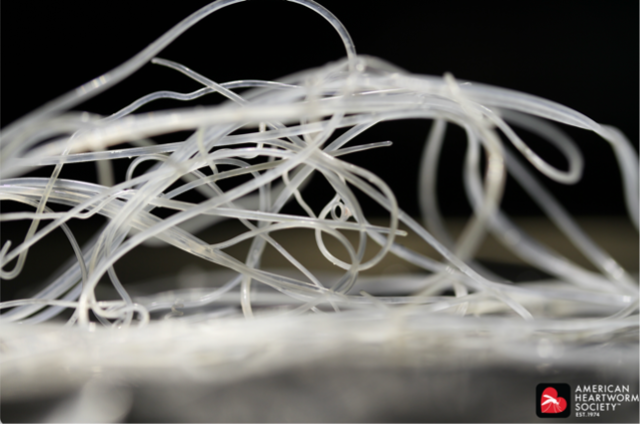
Heartworm is a type of worm, scientifically known as Dirofilaria immitis, that can infect cats, dogs, ferrets, and other mammal species. The worms live in the heart, lungs, and associated blood vessels of affected pets and cause severe lung disease, heart failure, and damage to other organs in the body. Unlike dogs, cats are atypical hosts for heartworms, and most worms in cats do not survive to the adult stage. However, even immature worms can lead to a condition known as Heartworm-Associated Respiratory Disease (HARD).
How Do Cats Get Heartworm?
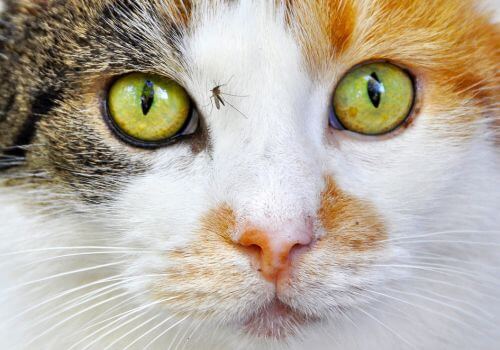
Heartworms are transmitted to cats through the bite of an infected mosquito. When a mosquito bites an infected animal (usually a dog), it ingests immature heartworm larvae called microfilariae. Inside the mosquito, these larvae mature into infective larvae within 10 to 14 days. When the infected mosquito then bites another animal, it transfers the infective larvae into their body.
Once inside a cat, the larvae travel throughout their body, eventually reaching the pulmonary arteries, which carry blood from the heart to the lungs and the right side of the heart. If male and female worms are present, they will produce new microfilariae, which live in a cat’s blood for about one month, and the cycle then continues.
What Do Veterinarians Recommend as Heartworm Prevention for Cats?
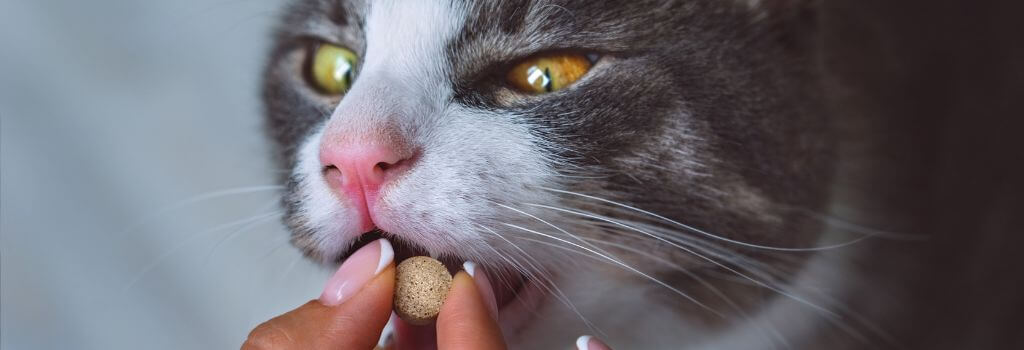
Veterinarians and the American Heartworm Society recommend year-round heartworm prevention for cats. There are various heartworm prevention medications available for cats, including chewable tablets and topical solutions. Consult with your veterinarian regarding the best heartworm prevention medication for your cat. They will help you make the right choice by considering factors such as age, lifestyle, and potential exposure to other parasites like fleas, ticks, hookworms, and roundworms.
How Do You Spot Heartworm Symptoms in Cats?
The signs of heartworm disease in cats range from mild to severe and may resemble those of feline asthma. Common symptoms include intermittent vomiting (sometimes with blood), diarrhea, rapid and difficult breathing, coughing, gagging, loss of appetite, lethargy, and weight loss. In some cases, cats with heartworm disease may not exhibit any symptoms. Sadly, sudden death could be the only sign of infection in these instances.
If you notice any changes in your cat’s behavior or health, it is important to contact your veterinarian right away to schedule an evaluation. If you are located near in Anaheim, Buena Park or Mission Viejo, California, the veterinarians right here at The Animal Doctors of Orange County offer comprehensive laboratory testing to diagnose heartworm infection in cats. Our experienced vets will also help you identify potential risk factors for heartworm infection and provide advice on how to reduce exposure and keep your feline friend safe.
How Will a Veterinarian Diagnose Heartworm in Your Cat?
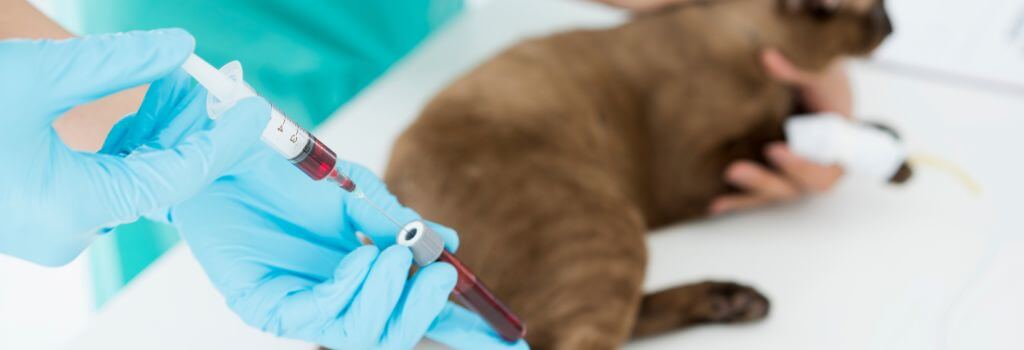
Diagnosing heartworm disease in cats can be challenging, as a variety of testing methods are usually needed to confirm infection. Some commonly used diagnostic methods include antigen and antibody blood tests, and imaging techniques (such as radiography and echocardiography). Antigen tests detect mature female heartworms, while antibody tests detect exposure to heartworm larvae. Veterinarians can use blood tests to detect the presence of microfilariae, and radiography (X-rays) and echocardiography (ultrasound of the heart) can be used to visualize heartworms and assess the damage to the heart and lungs.
Why is Early Detection and Diagnosis of Heartworm So Important?
Early detection and diagnosis of heartworm disease is essential for the well-being of your feline friend. Without early intervention, heartworms can cause irreversible lung damage, heart problems, and other health issues. Annual heartworm testing plays a crucial role in preventing long-term damage, ensuring better treatment outcomes, and reducing complications and fatalities associated with heartworm disease in cats.
At The Animal Doctors of Orange County, we believe in providing the highest quality veterinary care to ensure the safety and well-being of your pet. Our experienced team provides comprehensive diagnostic services as well as preventive treatments to protect your beloved companion from this life-threatening condition.
Staying Safe from Heartworm Disease
Heartworm disease is common in some areas of the world and is a dangerous disease in cats. Early detection and diagnosis are essential for ensuring better outcomes and reducing potential complications associated with this life-threatening condition. At The Animal Doctors of Orange County, we offer the highest quality and best services to pet owners, providing comprehensive testing and preventive treatments to keep your cat safe from heartworm disease.
At The Animal Doctors of Orange County, your pet is our priority. If you have any questions, don't hesitate, call or text any of our locations. Our staff would love to talk with you!
Don't forget to follow us on social media: Facebook, Instagram.