
Cancer in cats is just as heartbreaking as it is in humans. However, with the right care and treatment, many cats enjoy happy and healthy lives despite a cancer diagnosis. At The Animal Doctors, we understand how difficult it can be for a pet owner to learn their cat has cancer. That’s why we have devoted ourselves to providing the highest quality and best service to pet owners and accurate and up-to-date information about cat cancer. In this article, we will discuss what cat cancer is, how it can impact your cat’s health and quality of life, some of the most common types and their symptoms, diagnosis and treatment options, and why early detection and diagnosis are so important. Read on to learn more about cat cancer.
What is Cat Cancer?
Cat cancer is a term used to describe any malignant tumor or abnormal cell growth in a cat’s body. It is estimated that over 6 million cats are diagnosed with cancer every year. While they are less common in cats than in dogs, tumors in cats are much more likely to be malignant and, therefore, more likely to cause serious disease.
What Are the Most Common Symptoms and Types of Cat Cancer?
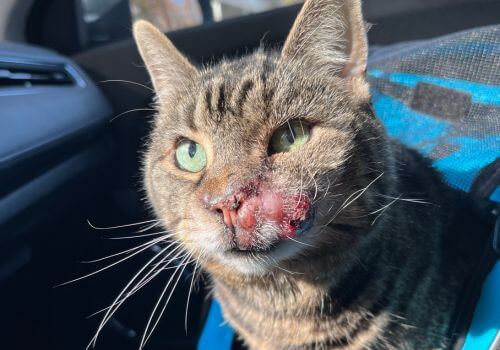
Cat cancer symptoms can be subtle and might not be immediately noticeable to the pet owner. Cats are adept at hiding their symptoms, especially in the early stages of an illness. Here are a few things to watch for:
- Lumps and bumps
- Abnormal odors
- Abnormal discharge
- Non-healing wounds
- Weight loss
- Appetite changes
- Coughing
- Difficulty breathing
- Decreased energy
- Lethargy
- Changes in bathroom habits
- Signs of pain
- Excessive hiding
- Nosebleeds
- Oral changes
Common types of feline cancer include:
- Mast cell tumors
- Lymphoma
- Squamous cell carcinoma
- Bone cancer

How Do Veterinarians Diagnose Cat Cancer?
Diagnosing feline cancer is tricky because cats are very good at hiding illness. It is important to inspect your pet periodically. If you notice anything unusual, schedule an appointment with your veterinarian immediately. Veterinarians use multiple techniques to diagnose cat cancer, including fine needle aspirates, blood tests, urinalysis, radiographs, ultrasound exams, computed tomography (CT) scans, and magnetic resonance imaging (MRI). Additional cytology or biopsies of other tissues may be necessary in some cases.
What Treatment Options Are There for Cat Cancer?
After reaching a diagnosis, your veterinarian will discuss the most suitable treatment options for your cat.
- Surgery
- Radiation therapy
- Chemotherapy
- Immunotherapy
- Oral medication
Remember that each cancer type has unique characteristics, and what works for one may not work for another. Therefore, understanding the specifics of the cancer is crucial in selecting the most appropriate treatment option.
Why Is Early Detection and Diagnosis of Cat Cancer So Important?
Early detection and diagnosis of cat cancer is the key to increasing the chances of successful treatment and improving survival rates. It also opens up more treatment options, providing pet owners with a greater level of flexibility. Regular veterinary exams can also reveal problems before a pet shows symptoms at home, allowing for timely interventions. Finally, early detection allows for more time for pet owners to prepare emotionally and financially for their pet’s care.
Why Should I Avoid Self-Diagnosing Cancer in My Cat?
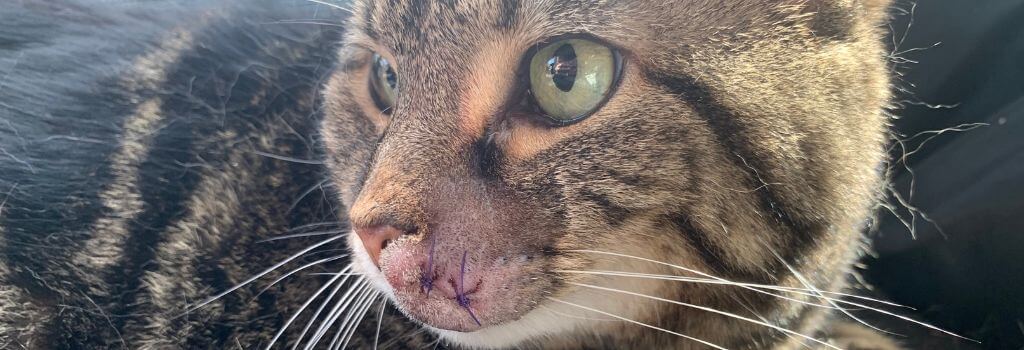
Cats are notorious for hiding signs of illness, making it difficult for pet owners to accurately diagnose health issues. Furthermore, many cancer symptoms in cats can also be signs of other health problems. For this reason, self-diagnosing cat cancer may lead to incorrect treatment, delayed professional care, and increased suffering for your feline friend. Regular veterinary check-ups are essential in maintaining your cat’s health and detecting potential health issues early.
Supporting Your Cat Through a Cancer Diagnosis
Cancer in cats can be a heartbreaking diagnosis. However, with the right care and treatment, cats can live happy and healthy lives despite their diagnosis. It is important to understand what cat cancer is, how it will impact your cat’s health and quality of life, some of the most common types and their symptoms, as well as diagnosis and treatment options. Early detection and diagnosis are key to increasing the chances of successful treatment and improving survival rates. Finally, it is important to remember that self-diagnosing cat cancer can lead to incorrect treatment, delayed professional care, and increased suffering for the pet.
At The Animal Doctors of Orange County, your pet is our priority. If you have any questions, don't hesitate call or text any of our locations. Our staff would love to talk with you!