
Cat Spay & Neuter Surgery

Safe, Thoughtful Care for a Healthier Life
Spaying and neutering are among the most meaningful ways to support your cat’s long-term health, comfort, and quality of life. At The Animal Doctors of Orange County, every surgical procedure is approached with intention, precision, and a commitment to gold-standard care. This is not just a routine surgery, it is a carefully planned medical experience designed to keep your cat safe, comfortable, and supported from start to finish.
What Is a Spay or Neuter Procedure?
A spay procedure involves the removal of a female cat’s ovaries and uterus (medically called an ovariohysterectomy)
- Ovario- (Ovary): Refers to the ovaries, the female reproductive organs that produce eggs and hormones.
- -hyster- (Uterus): Refers to the uterus or womb.
- -ectomy (Surgical Removal): A suffix indicating the surgical removal, cutting out, or resection of a body part
While the term neuter is technically gender-neutral, it has become more commonly associated with male desexing over time, largely due to shifts in language and the possible discomfort many feel with the term castration. Today, neutering is widely used to describe the procedure that removes a male cat’s testicles. While this procedure is often associated with preventing reproduction, its benefits extend far beyond that.
Spaying eliminates the risk of uterine infections such as pyometra and significantly reduces the risk of mammary cancer, especially when performed early in life. Neutering prevents testicular cancer and helps reduce hormone-driven behaviors that can impact both safety and quality of life. Veterinary guidance, including information from the Humane World for Animals, consistently shows that spayed and neutered cats tend to live longer, healthier lives.
Health and Behavioral Benefits

In addition to disease prevention, spaying and neutering can lead to meaningful improvements in behavior. Hormone-driven actions such as spraying, roaming, and aggression are often reduced, creating a calmer and more predictable companion.
Cats that are not driven by reproductive instincts are also less likely to escape the home or get into fights with other animals, which reduces the risk of injury and exposure to infectious diseases.
The Importance of Population Control
Spaying and neutering plays a critical role in reducing pet overpopulation and improving the overall welfare of cats. Even a single unspayed cat can contribute to an exponential number of kittens over time, placing significant strain on shelters and rescue organizations that are already working at capacity.
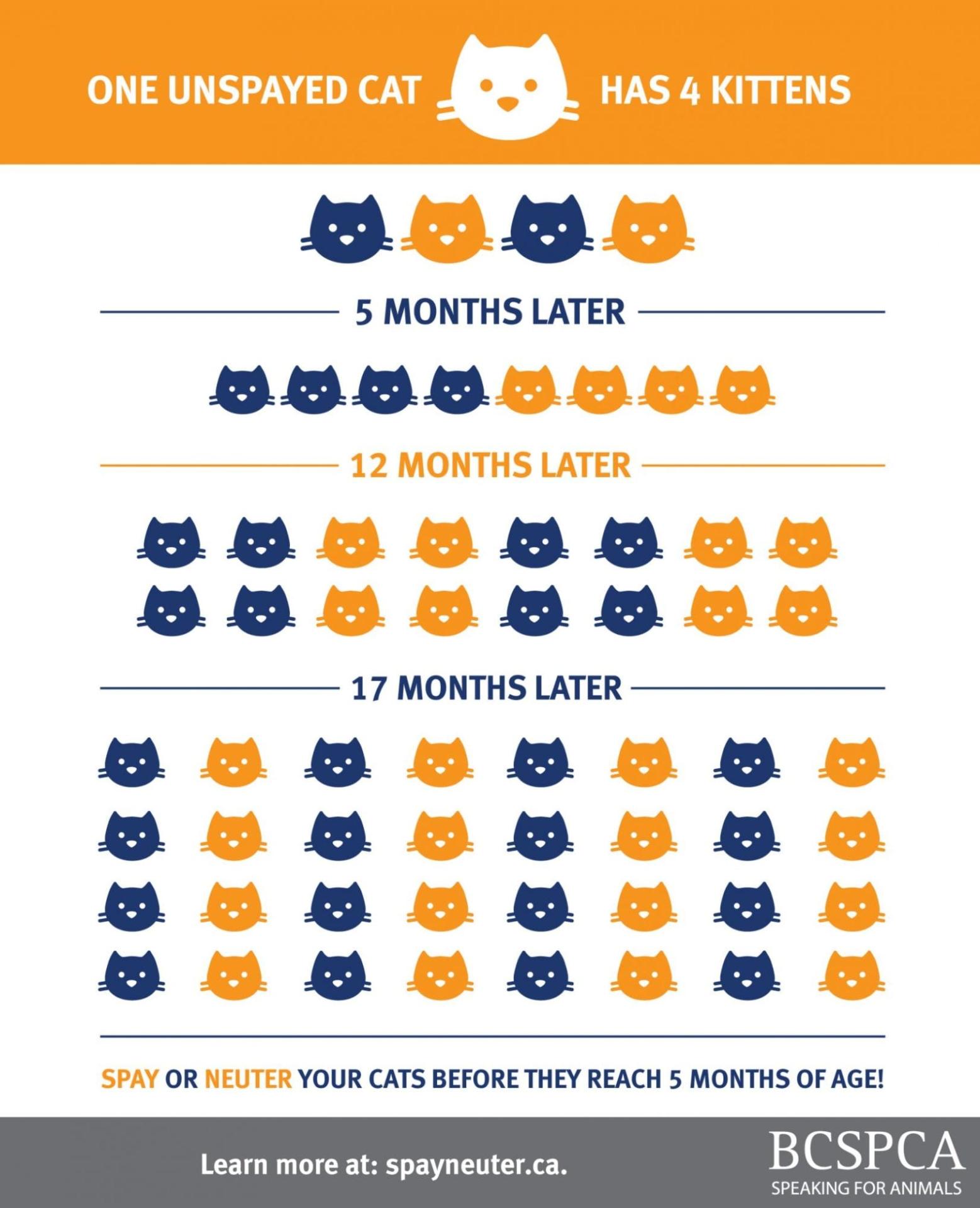
The reality for many stray and free-roaming cats is challenging. Studies suggest that the average lifespan of an indoor cat can reach 12 to 18 years, while outdoor or stray cats often live only 2 to 5 years due to increased risks such as trauma, disease, and lack of consistent care. One of the leading causes of injury and death in outdoor cats is being struck by vehicles, along with exposure to infectious diseases, predators, and environmental hazards.
Animal welfare organizations, including the ASPCA, report that millions of cats enter shelters each year, and many never find permanent homes. By choosing to spay or neuter your cat, you are helping reduce the number of unwanted litters, decreasing the number of cats living at risk on the streets, and supporting a more sustainable and compassionate community for pets and people alike.
Outdoor Cats and Environmental Impact
For cats that spend time outdoors, spaying and neutering becomes even more impactful. Free-roaming cats are a known contributor to wildlife loss, particularly among birds and small mammals. Studies, including research supported by the Smithsonian Conservation Biology Institute and the U.S. Fish and Wildlife Service, estimate that domestic cats kill billions of birds and small mammals each year in the United States alone, with estimates often cited around 2.4 billion birds and over 12 billion mammals annually. (Why is that important?) While hunting is a natural instinct, large numbers of free-roaming cats can place significant pressure on local ecosystems.
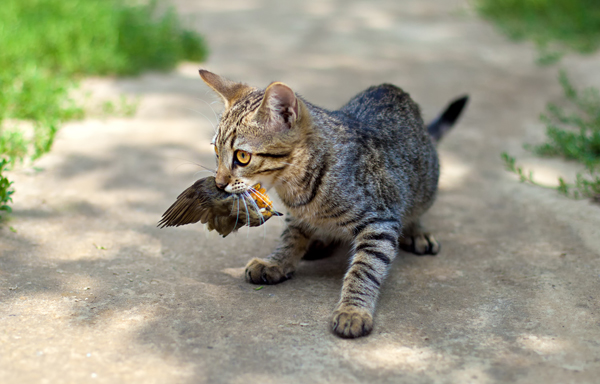
Spaying and neutering helps reduce these impacts by limiting population growth and decreasing hormone-driven behaviors such as roaming, fighting, and escaping the home. Cats that are not driven to seek mates are often less likely to wander long distances, which not only helps protect wildlife but also keeps your cat safer.
Reduced roaming also means decreased exposure to environmental risks and infectious diseases. Outdoor and free-roaming cats are at higher risk for conditions such as Feline Leukemia Virus, Feline Immunodeficiency Virus, Leptospirosis, and Coccidiosis, which are more commonly spread through contact with other animals, contaminated environments, or shared resources. By reducing the urge to roam, spaying and neutering indirectly lowers the likelihood of exposure to these risks.
While no single step completely eliminates a cat’s instinct to hunt or their environmental impact, responsible ownership, including spaying or neutering and keeping cats indoors when possible, plays a meaningful role in protecting both your pet and the world around them.
Our Approach to Surgical Safety
At The Animal Doctors of Orange County, preparation is a key part of ensuring a safe and successful procedure. We do not take a one-size-fits-all approach to anesthesia or surgery. Every patient is evaluated individually so we can tailor care to their specific needs.
The Pre-Anesthetic Plan (PPP)
We strongly recommend a Pre-Anesthetic Plan prior to your cat’s procedure. This step allows us to better understand your pet’s overall health and reduce potential risks associated with anesthesia. Pre-anesthetic labwork helps assess organ function and ensures your cat is a safe candidate for surgery. Based on these results, we create a customized anesthetic plan. Many patients also benefit from anti-nausea medication the morning of surgery, as well as anti-anxiety support the night before and morning of, helping to reduce stress and improve recovery.
What Is Included in Your Cat’s Procedure
Your cat’s spay or neuter is designed to be comprehensive and supportive at every stage. From the moment they arrive, our team focuses on maintaining comfort, stability, and safety.
This includes pre-anesthetic labwork to evaluate internal health, placement of an IV catheter for immediate access and medication delivery, and IV fluids to support hydration and blood pressure throughout the procedure. Carefully selected pre-medications are used to provide sedation and pain control, while anti-nausea medication helps prevent discomfort both during and after surgery. Anesthesia is maintained using a gas anesthetic, allowing for precise control and continuous adjustment throughout the procedure. Your cat is closely monitored the entire time by a dedicated veterinary team. Pain management is then provided during surgery and continues after your pet goes home. An e-collar is included to protect the incision site, along with take-home pain medications to ensure a smooth and comfortable recovery.
Recovery and Aftercare
Most cats recover quickly following a spay or neuter procedure, especially when proper aftercare is followed. It is normal for your cat to be slightly groggy the first day as the anesthesia wears off.
We recommend restricting activity for approximately 10 to 14 days to allow proper healing. Monitoring the incision site and preventing licking with the provided e-collar are important parts of recovery.
Our team will provide detailed discharge instructions and remains available should any questions arise during the healing process.
When Should My Cat Be Spayed or Neutered?
In most cases, cats are spayed or neutered before five to six months of age, although timing may vary depending on your pet’s health, lifestyle, and individual needs. If you are unsure about the right timing, our team is happy to guide you through the decision-making process and create a plan that works best for your cat.
A Preventive Decision That Lasts a Lifetime
Spaying or neutering is one of the most impactful choices you can make for your cat. It supports long-term health, improves behavior, helps reduce overpopulation, and contributes to a healthier environment for local wildlife.
At The Animal Doctors of Orange County, we are here to provide thoughtful guidance and high-quality care every step of the way.
When Is It Appropriate to Wait or NOT Spay/Neuter a cat?
It is extremely rare for a veterinarian to recommend that a cat remain unspayed or unneutered. In the vast majority of cases, the benefits of spaying and neutering far outweigh any potential reason to avoid the procedure.
The most common reason to delay surgery is simply medical. If a patient is sick, underweight, too young, or not stable enough for anesthesia, your veterinarian may recommend waiting until they are healthy and strong enough to safely undergo the procedure. In these cases, it is not a “no,” it is just a “not yet.”
The only situation where a cat may intentionally remain intact long-term is for breeding, but this is often misunderstood. Responsible breeding is a significant, time-intensive, and costly commitment. It involves genetic testing, careful selection of breeding pairs, prenatal and neonatal care, and a plan for every kitten produced. When done properly, it is rarely profitable and is typically driven by preservation of a breed, not as a financial gain.

There is sometimes discussion around hormones and development, but in cats, there is no strong evidence that remaining intact provides meaningful long-term health benefits. For the overwhelming majority of pets, staying unspayed or unneutered increases the risk of disease, unwanted behaviors, and accidental litters.
In simple terms, most if not nearly all cats should be spayed or neutered. The only real exceptions are temporary delays for health reasons or very intentional, responsible breeding programs. Every decision should still be made with your veterinarian to ensure the safest and best outcome for your cat.
Schedule Your Cat’s Spay or Neuter
At The Animal Doctors of Orange County, your cat's safety is our priority. If you have any questions, don't hesitate to call or text any of our locations. Our staff would love to talk with you!
Because they deserve it all.
Book Now
Don't forget to follow us on social media: Facebook, Instagram.
Service FAQ
When should I spay or neuter my cat?
It is generally recommended to spay or neuter your cat around 5 months of age. However, it is essential to consult with your veterinarian to determine the best timing for your pet based on their specific needs.
Are there any risks associated with spaying or neutering my cat?
While spaying and neutering are considered safe procedures, all surgeries carry some risks. These may include complications from anesthesia, infection, or bleeding. Your veterinarian will take all necessary precautions to minimize these risks, and it’s essential to follow their after-care instructions.
How do I prepare my cat for the surgery?
Before the surgery, your veterinarian will conduct a physical examination and may recommend pre-anesthetic blood work to ensure your cat’s overall health. Follow any instructions provided by your veterinarian, such as withholding food and water before the procedure.
What is the recovery process like after the procedure?
Cats typically need 4-6 hours of rest at home after the surgery, with restricted activity for 10-14 days. Your veterinarian will provide you with detailed after-care instructions to ensure a smooth recovery.
Will spaying or neutering change my cat's behavior?
Spaying and neutering can help reduce hormone-driven behaviors such as roaming, aggression, and urine marking. However, it is essential to note that these procedures will not entirely eliminate these behaviors, and training may still be necessary.
Will my cat need a follow-up appointment after the surgery?
Your cat may require a post-operative visit to remove external sutures and assess their healing. Your veterinarian will provide you with information on when and how to schedule this appointment.