
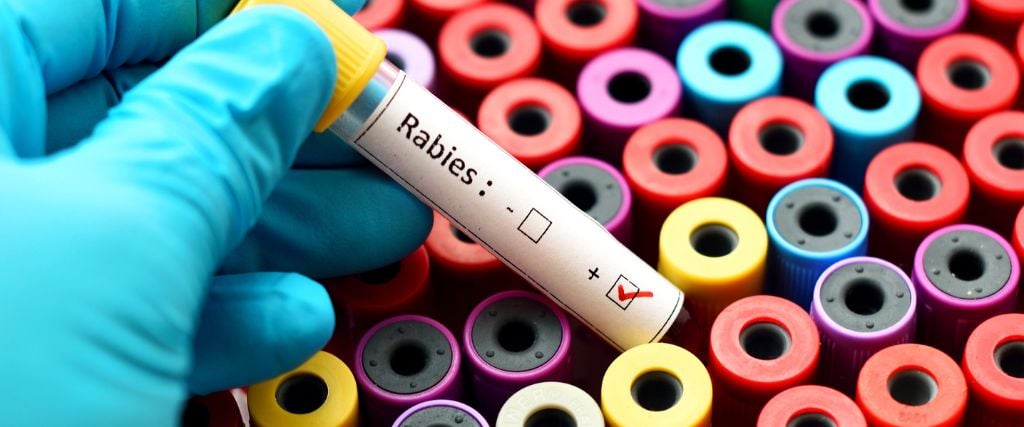
Every year on September 28th, the world pauses for World Rabies Day, and I'll be honest, it's one of the few "awareness days" I get genuinely passionate about. Rabies is one of the scariest diseases I know of. But here's the part I want you to hold onto before we even start: it is also almost entirely preventable. The more you understand it, the better you can protect yourself, your family, and your pets from ever crossing paths with it.
So let's walk through it together, what rabies actually is, how it behaves, why it's so hard to treat, and how you keep it far away from the ones you love. And along the way, I'm going to stick up for a certain famous St. Bernard, and for a little flying mammal that gets a much worse reputation than it deserves.
Rabies is a deadly virus spread mainly through the saliva of infected mammals, usually by a bite. Once symptoms appear, there is no cure, but that's exactly why prevention is everything: a current rabies vaccine and a fast trip to the doctor or vet after any bite are remarkably effective at stopping it before it ever takes hold.
What is rabies?
Rabies is a virus carried in the saliva of infected mammals, which is why nearly every case is passed along through a bite. It can also spread if that saliva reaches an open wound, or the mouth or eyes. Worldwide, about 99% of human rabies cases trace back to dog bites, and it's far more common in places with large populations of unvaccinated stray dogs.
Here in the United States, the animals most likely to carry and spread rabies are raccoons, skunks, foxes, coyotes, and yes, bats. (Keep that last one in mind, because I promise I'm going to come back and defend them.) These wild animals typically pass the virus to unvaccinated household pets, which is the most common way it edges closer to us. The good news is that thanks to widespread pet vaccination, fewer than a handful of people in the U.S. die of rabies in a typical year.

The two faces of rabies
Rabies shows up in two forms, and they look almost nothing alike.
Furious rabies is the one everyone pictures: psychosis, hallucinations, erratic and irrational behavior, a fear of light and water, and restless hyperactivity. Paralytic rabies is almost the mirror image, marked instead by lethargy, neurologic slowness, creeping paralysis, and eventually coma. Both roads, tragically, lead to the same place.
The stages of rabies
Rabies moves through distinct stages, and understanding them is really understanding why timing matters so much.
- Incubation period. This is the quiet window after exposure but before any symptoms, as the virus slowly travels toward the brain. It can last anywhere from about a week to a year, depending on how quickly the virus advances. This is the stage where treatment can still work, which is why acting fast after a bite is everything.
- Prodromal phase. The first, milder symptoms appear here, and they're sneaky: fever, sore throat, cough, nausea, headache, achy joints, and general flu-like malaise.
- Acute neurologic phase. Once the virus reaches the brain, the frightening, familiar signs set in, convulsions, muscle spasms, confusion, aggression, and foaming at the mouth.
From there, rabies sadly progresses to coma and death. It's a hard thing to write, which is exactly why I'd so much rather talk with you about prevention.
Treatment for rabies... sort of
Here's the sobering truth: once symptoms appear, there is no effective treatment for rabies. That's why what you do immediately after a possible exposure matters more than almost anything.
Whether or not the animal is known to have rabies, wash the bite or wound thoroughly with soapy, antibacterial water for a full 15 minutes to flush out as many viral particles as possible.
Then seek medical attention right away, this isn't a "wait and see." Given before symptoms begin, a series of post-exposure shots is highly effective at stopping rabies in its tracks. Once symptoms start, it is almost always too late.
But why is there no cure once rabies reaches the brain? The answer is actually a fascinating bit of biology. As the Cleveland Clinic explains, your brain is shielded by something called the blood-brain barrier, a kind of ultra-fine filter that keeps toxins and dangerous substances in your bloodstream from reaching your brain. Rabies does something researchers still don't fully understand: it effectively locks that barrier down even tighter, so the very medications that might fight it can't get through to where they're needed. The brain's own security system, turned against it.
Which brings me to Cujo
You probably remember Cujo, Stephen King's famous "killer" St. Bernard. But here's the part that's so easy to forget: in the story, Cujo starts out a gentle, slobbery, good-natured family dog. He only turns because a rabid bat bites him on the nose and he develops rabies, the disease marching him straight into that acute neurologic phase we just talked about. The aggression, the foaming, the terror, none of it was Cujo. It was the virus wearing him like a costume.

Cujo was never a bad dog. He was a sick dog, and he never once had a say in it. I think about that more than you'd guess, because it's the same truth behind nearly every "he just snapped" or "she's not herself" case I see: a sudden, dramatic change in behavior is almost always the body talking, not the heart. It's one more reason I'll always gently nag you to keep that rabies vaccine current, and to call us the moment your sweet companion suddenly isn't acting like themselves.
In defense of the bat
And now, as promised, I owe the bats an apology on behalf of pop culture. Yes, bats make the list of rabies carriers, and no, you should never handle a wild one (any bat contact is a call-your-doctor moment). But the idea that bats are little villains couldn't be further from the truth.

According to the U.S. Geological Survey, bats are some of nature's finest pest-controllers, a single little brown bat can devour its own body weight in insects in one night, and together they save American farmers billions of dollars a year in pest control. Others pollinate the plants behind foods we love, including the agave behind every bottle of tequila. These are ecological heroes, not horror-movie monsters.
And here's the detail that genuinely gives me chills in the best way. Scientists studying the common vampire bat discovered that its saliva contains a remarkable clot-dissolving enzyme (the first one found was perfectly nicknamed "Draculin"). A version of it, called desmoteplase, has been studied as a treatment for stroke in people, because it breaks up dangerous blood clots and, unlike the standard clot-busting drug, doesn't appear to harm brain tissue. Research in the American Heart Association's journal Stroke literally described it as a fibrinolytic enzyme that "does not promote neurodegeneration."
Sit with that irony for a second: the same misunderstood creature so often blamed for a brain-destroying disease may also help us protect the human brain. The animal world is full of this kind of quiet genius, and caring for our pets connects us to every bit of it.
How to protect your pet from rabies
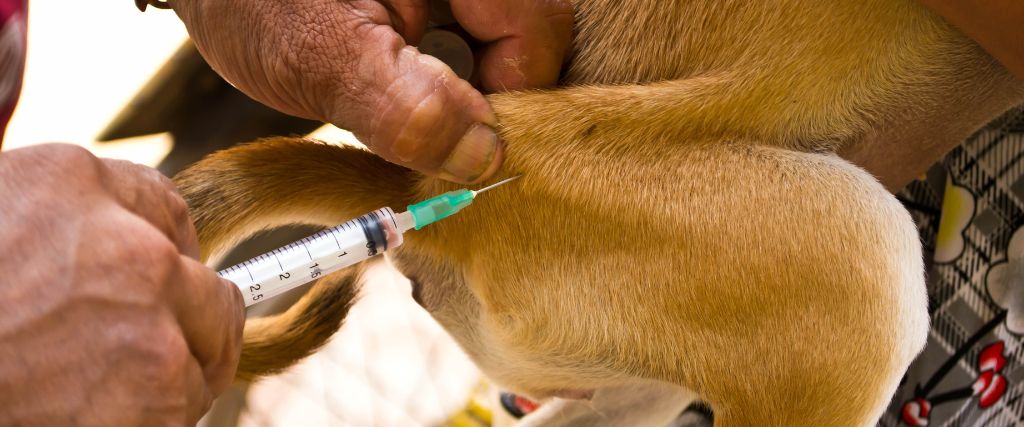
So how do you keep rabies out of your home? The single most powerful tool is beautifully simple: vaccination. (For people, a pre-exposure rabies vaccine exists, but it's reserved for higher-risk folks like veterinarians and wildlife workers, because for most of us, the real risk comes through an unvaccinated pet.) Here's where I'd focus your energy:
- Keep the rabies vaccine current. This is the big one. Staying on schedule with your dog's or cat's rabies vaccination is the best protection there is, and in most places it's the law for good reason.
- Keep up with regular vet visits. Routine wellness exams keep vaccines on track and catch problems early.
- Supervise outdoor time, and give cats a cozy indoor life. A cat curled up on her bed at home is far less likely to tangle with a rabid raccoon than one roaming the neighborhood at dusk.
- Spay and neuter your pets. Beyond all its other benefits, spaying and neutering helps prevent unplanned, unvaccinated litters, the kind of stray population where rabies spreads most easily.
Frequently asked questions about rabies
Is rabies curable?
There is no reliable cure once symptoms appear. However, rabies is highly preventable: if treatment (a series of shots) is given soon after exposure and before symptoms start, it is very effective. That's why any possible exposure is a medical emergency.
Can an indoor cat get rabies?
The risk is low but not zero, bats, in particular, can find their way indoors. Because rabies is fatal and the vaccine is so effective, veterinarians (and most laws) recommend keeping even indoor cats current on their rabies vaccination.
What should I do if my pet is bitten by a wild animal?
Avoid touching the wound with bare hands, wash it thoroughly, and contact your veterinarian and local animal control right away. Even a vaccinated pet usually needs prompt evaluation and a booster, so don't wait, call immediately.
How often does my pet need a rabies vaccine?
Pets typically get an initial rabies vaccine, a booster about a year later, and then boosters every one to three years depending on the vaccine and your local laws. Your veterinarian will set the right schedule for your pet.
Are bats dangerous?
Most bats do not carry rabies, and they're ecologically vital, controlling insect pests and pollinating plants. That said, you should never handle a wild bat, and any direct contact warrants a call to your doctor or vet, just to be safe.
The more you know
Rabies is a frightening disease, there's no sugarcoating that. But the hopeful flip side is that it's also one of the most preventable. If you or your four-legged family member is ever bitten, don't hesitate and don't try to guess the animal's vaccination status, just get medical help right away. And never underestimate the quiet power of prevention: keeping your pet's rabies vaccine up to date truly can make all the difference. Let's be proactive and give our pets the protection they so deserve.
Is your pet due for a rabies vaccine, or overdue? At The Animal Doctors of Orange County, your pet is our priority. We'd love to get them protected and answer any questions you have about rabies, vaccines, or keeping your whole family safe. Our staff would truly love to help.
This article is for general educational purposes and isn't a substitute for professional medical or veterinary advice. If you or your pet may have been exposed to rabies, seek medical or veterinary care immediately.
References and further reading
- Cleveland Clinic — Rabies: Causes, Symptoms, Treatment & Prevention
- U.S. Centers for Disease Control and Prevention — About Rabies
- Liberatore et al., Stroke (American Heart Association) — Vampire Bat Salivary Plasminogen Activator (Desmoteplase): A Unique Fibrinolytic Enzyme That Does Not Promote Neurodegeneration
- U.S. Geological Survey — Why Are Bats Important?