
Cats are experts at hiding how they feel, and a trip to the vet, with a car ride, a carrier, and unfamiliar smells, is a lot for most of them. Many cats who seem calm at home become frightened the moment they arrive. We don't see that as a behavior problem. We see it as a patient who needs a different approach. At our hospital, we work with nervous and anxious cats every day, and our goal is to make their visit as calm, comfortable, and low-stress as possible.
Churu*, slow blinks, and zero judgment.
A calm cat is a safer patient and a better exam, so we let your cat set the pace and we adjust to them.
We Speak Cat
Let's be honest: we love cat people. Our team genuinely loves cats, and a big part of that love is learning to read them. Cats communicate constantly, just more quietly than dogs, and knowing what to look for lets us ease off before a stressed kitty ever gets to hiss-and-swat territory.
- •Slow blinks — the famous "cat kiss." A slow, soft blink is a friendly, relaxed signal, and we happily blink right back.
- •Ears and whiskers — forward and relaxed means curious and comfortable, while ears rotated sideways or flattened and whiskers pulled back tell us a cat is feeling uneasy.
- •The tail — a tall, upright tail is a happy hello, while a tucked or thrashing tail says "give me space."
- •Body posture — a crouched, tucked-in, or frozen cat is often a frightened cat, even if they're being perfectly quiet.
Cat fun fact: unlike most dogs, many cats prefer scratches under the chin and along the cheeks and whiskers instead of on top of the head. Cats have scent glands in their cheeks and chin, so those spots feel good and feel familiar. It's where we start when we say hello.
Nicknames, Songs & Elevator Butts
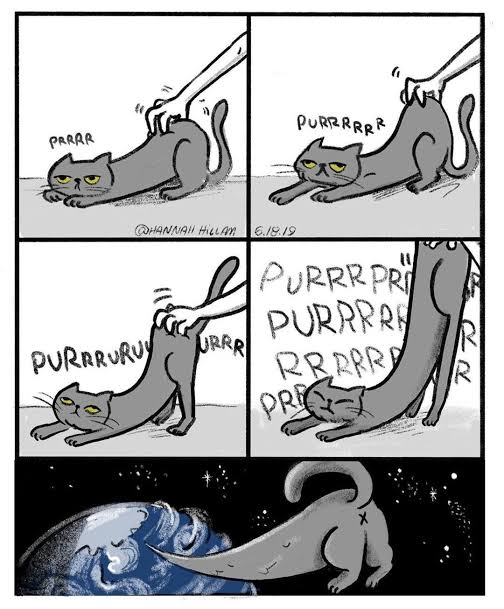
Just like with our dog patients, we love using your cat's nicknames, so tell us what you call them at home. We'll happily sing a little song to a nervous kitty, too. And if your cat is an "elevator butt," we're thrilled. That's our name for the cats who love pets along the spine and lift their rear end into the air to say "yes, more, please." It's a great sign your cat is relaxed and enjoying the attention.
Why We Avoid Scruffing
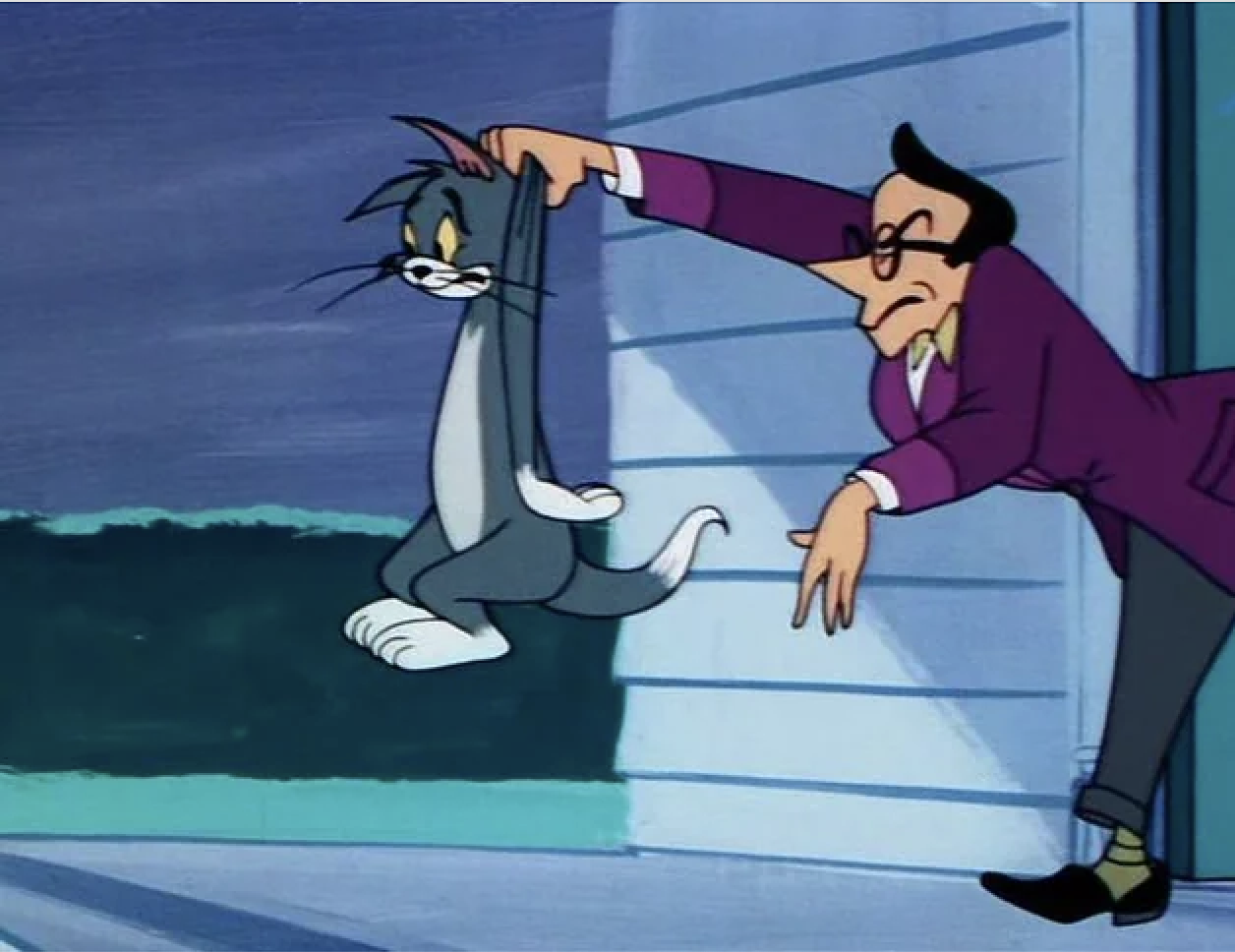
Scruffing, grabbing the loose skin on the back of a cat's neck to hold them still, is something we avoid. The only exception is a true emergency where it's needed to keep the cat, or our team, safe, and even then it's a last resort, not a routine tool.
Here's why:
- •It increases fear. Research comparing handling methods has found that scruffing raises measurable signs of fear and stress in cats compared with minimal handling.
- •A cat that goes still isn't a cat that's calm. Many cats freeze when scruffed, which can look like cooperation, but it's often a fear response, not relaxation.
- •It damages trust. A cat that has a frightening experience is more likely to be anxious at every future visit, and harder to examine each time.
- •It isn't recommended by cat-care experts. The 2022 AAFP/ISFM Cat Friendly Veterinary Interaction Guidelines no longer recommend scruffing for cats at any life stage, including kittens.
What We Do Instead: The Towel Burrito
Nine times out of ten, when a cat needs a little extra help staying comfortable and still, we gently wrap them in a towel, a technique we affectionately call the "burrito wrap." The wrap works a bit like a ThunderShirt or weighted blanket: the soft, snug pressure is calming, and it helps a frightened cat feel secure instead of exposed.
It works for another reason, too: cats feel safer when they can't see what's scaring them. Covering their eyes and body with a towel blocks out a lot of the scary stimuli around them, which means they're far less likely to have a fear response in the first place.
Bring a towel from home: we'd love to use a towel that smells like your house. A familiar scent makes the wrap even more reassuring. Just toss a clean towel in the carrier or bring one along with you.
Our "Darth Vader" Masks
Sometimes a cat needs a little more help, and for those cats we use a soft cat mask, which our team lovingly calls a "Darth Vader mask." Its main job is to protect our team from bites, but it does something just as important for your cat: like a blinder on a horse, it keeps the big, scary world out of view. With less to look at and react to, most cats settle down, and their stress typically drops.
Free-Roam Exam Rooms
Instead of lifting your cat out of the carrier and onto a cold exam table, we let cats explore the room. Free roaming gives your cat a sense of control, which goes a long way toward lowering anxiety. They can sniff around, find a spot they feel comfortable in, and get used to their surroundings while we chat with you, and we do much of the exam wherever your cat feels most at ease.
A Window to the Outside
At our Mission Viejo location, we have a full wall window in the exam room, and it's become a favorite among our feline patients. Cats can peek out at the lizards and birds that hang out in the bushes out front, which is often all the distraction a nervous cat needs to settle in.
Churu, Lick Mats & Catnip
- •Churu on demand — a lickable treat that most cats can't resist, and a great way to turn a scary moment into a good one.
- •Lick mats — they keep cats busy and entertained, and the repetitive licking is naturally calming.
- •Catnip at the ready — we keep it on hand, though we mostly rely on a patient approach instead. Not every cat responds to catnip, so it's one tool among several.
Time-Outs Are Okay
If your cat is getting overwhelmed, we don't push through. We can take a break, let your cat decompress, and come back to it. Stepping away to reassess is part of the plan, not a failure of it, and a few quiet minutes can be the difference between a stressful visit and a successful one. Working at your cat's pace sometimes means a visit takes a little longer, and that's okay with us.
Happy Visits for Cats
Yes, cats get Happy Visits too. These are quick drop-ins where nothing scary happens: no poking, no prodding, just affection and a weight check. If an exam room is open, we'll bring your cat in there. If not, we can feed Churu through the carrier right in the lobby, then weigh your baby and send you on your way. It's a simple way to teach your cat that coming to see us can be a good thing. Give us a call ahead of time if you'd like the whole team involved.
Calming Sprays, and Why We Skip the Diffusers
We use a calming pheromone spray in our rooms to help cats feel more at ease. We don't run plug-in diffusers all the time, because some people are sensitive to them, and we want our hospital to be comfortable for clients and team members with upper airway or breathing concerns. If your cat's comfort is a priority, let us know and we'll talk through the best options.
Medication to Take the Edge Off
For cats who get very worked up, we can talk with you about medication that helps take the edge off, often given at home before the visit, alongside our gentle handling. It's one more tool, tailored to your cat, to make a hard day easier, not something we reach for with every cat.
How You Can Help Your Cat Feel Calmer at the Vet
A lot of a cat's vet-visit anxiety starts well before they walk through our door. A few things at home can make a real difference.
Make the carrier a safe place
- •Leave it out all the time, not just on vet days, so it stops being a sign that something scary is about to happen.
- •Make it comfortable with a soft blanket or bed, and consider a familiar-smelling towel or shirt.
- •Reward it with treats, meals, or toys inside, so your cat starts to link the carrier with good things.
- •Choose a carrier that opens from the top or comes apart in the middle, so we can examine your cat without pulling them out.
- •Cover it with a towel on the way in, since cats often feel safer when they can't see everything around them.
Plan the trip
- •Keep the car ride calm by driving smoothly, keeping the radio low, and placing the carrier somewhere secure, like the floor behind a seat.
- •Stay calm yourself. Cats pick up on our stress, so a relaxed, quiet owner helps a lot.
- •Tell us ahead of time if your cat is nervous, so we can plan the room and the approach.
- •Ask us about calming support before the visit if your cat is especially stressed. Don't medicate at home without talking to us first.
A Cat-Only Room When They Stay With Us
If your cat needs to stay with us, whether for a procedure or treatment, they stay in a cat-only room, away from the sights, sounds, and smells of dogs. For a cat who's already nervous, that quiet, separate space makes a big difference in how they feel during their stay.
Every cat is different: we tailor the plan to your cat's personality, triggers, and comfort level, so tell us what you know about them and we'll build from there.
Don't Just Take Our Word For It
Here's proof our cat love is real. When a cat trusts you enough to give you the full elevator-butt greeting, you know you've done something right. Even if it lands you face-first in the fluff.
Service FAQ
Calling All Cat People (Yes, You)
Cat mom, cat dad, cat lady, cat guy, proud servant of a tiny tyrant: you're our kind of people. We adore the cat lovers who show up with a carrier, a list of questions, and a photo roll full of whisker close-ups, and we promise to never judge the name you gave your cat or how many you have at home. Whether you have one fluffy sidekick or a full feline household, we're happy to meet them all.
Cat-Friendly Care at Our Mission Viejo Location
Our cat-friendly approach, including our full-wall window for bird and lizard watching, is a highlight of our Mission Viejo location, serving cat families throughout Mission Viejo, Laguna Hills, Lake Forest, Aliso Viejo, and the surrounding South Orange County communities. If your cat dreads the vet, we'd love to show you a calmer way.
Don't forget to follow us on social media: Facebook, Instagram.
Related Services: Mission Viejo Location | Wellness Exams