
By The Animal Doctors of Orange County | Serving Anaheim, Fullerton, Buena Park, La Mirada, Yorba Linda, and the greater OC area
When your veterinarian recommends bloodwork during a routine visit, it's natural to wonder: my pet seems perfectly fine, is this really necessary? It's one of the most common questions our teams hear across our Orange County locations, and it's a fair one.
The honest answer is that bloodwork is one of the most powerful tools we have, not because your pet is sick, but precisely because they seem healthy. And understanding why comes down to one key concept that changes how most pet owners think about lab work entirely.
Lab Work Is a Snapshot — Not a Permanent Picture
Here's the most important thing to understand about your pet's blood and urine results: they are a snapshot in time.
Just like a photograph captures a single moment, the lighting, the expression, the exact second the shutter clicked, a blood panel captures your pet's organ values, cell counts, and metabolic markers at one precise moment. Those values can and do shift from hour to hour depending on hydration, stress, recent meals, activity level, time of day, and dozens of other variables.
This is exactly why a single abnormal value rarely tells the whole story, and why a single normal result doesn't mean we stop looking. What matters far more than any one result is the trend over time: how your pet's snapshot today compares to their snapshot from last year, and the year before that. That comparison is only possible if we take the photo regularly.

Why Pets Need Regular Lab Work Even When They Feel Fine
Dogs and cats are remarkably good at masking illness. It's an instinctive survival behavior, in the wild, showing weakness invites vulnerability. What this means in practice is that by the time your pet looks or acts sick, the disease process has often been underway for weeks, months, or in some cases years.
Routine bloodwork helps us get ahead of that curve. According to PetMD, annual blood work is an important part of every pet's health care plan because it allows veterinarians to track health and detect abnormalities before they become emergencies.
The benefits of routine lab testing include:
- Detecting disease before visible symptoms appear
- Establishing a personal baseline unique to your pet
- Tracking subtle trends in organ function over months and years
- Supporting safer anesthesia and medication decisions
- Improving outcomes through earlier treatment
The Baseline: Your Pet's Personal Health Fingerprint
Every dog and every cat has values that are normal for them, and those values may sit differently than the textbook reference range. A value that's technically within the "normal" population range might actually be elevated for your specific pet. Without a baseline, we can't know the difference. This is why we recommend starting bloodwork in young, healthy pets, not to find problems, but to document what healthy looks like for that individual. Then, as your pet ages and annual snapshots accumulate, even the most subtle changes become visible.
Think of it this way: if your pet's kidney values have been consistently low-normal for five years and they suddenly read mid-normal, that shift may be completely unremarkable to a computer, but to a veterinarian reviewing that individual's history, it's a meaningful change worth watching.
What Bloodwork Actually Measures
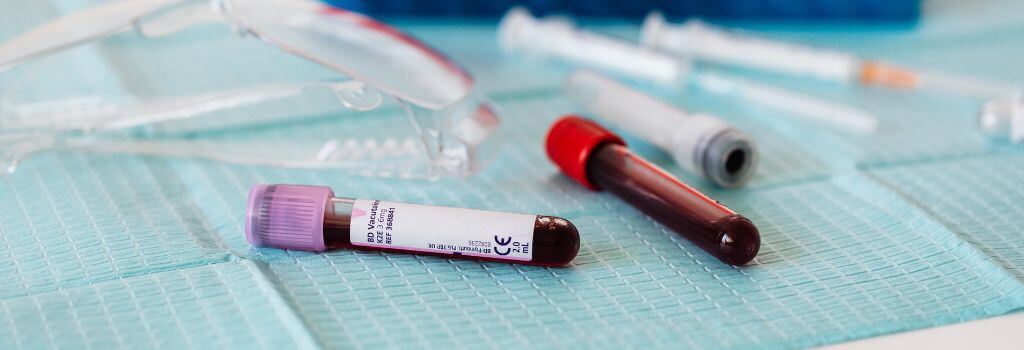
Complete Blood Count (CBC)
The CBC evaluates the three main types of blood cells. According to PetMD, this test checks red blood cells, white blood cells, and platelets to detect conditions such as dehydration, infection, and anemia. It can also reveal immune system response and clotting ability. A CBC helps identify:
- Anemia (low red blood cell count)
- Active infection or inflammation (elevated white blood cells)
- Bleeding disorders (low platelet count)
- Certain cancers affecting blood cells
Chemistry Panel
The chemistry panel is the workhorse of routine screening. It evaluates how well your pet's major organs are functioning, liver, kidneys, and pancreas, along with blood sugar levels, protein balance, and electrolytes. This panel can uncover:
- Kidney disease and reduced filtration
- Liver disease or damage
- Diabetes (elevated glucose)
- Pancreatitis
- Hormonal imbalances like Addison's or Cushing's disease
- Electrolyte abnormalities affecting the heart and nervous system
SDMA: The Early Kidney Warning Marker
One of the most important advances in routine bloodwork over the past decade is the addition of SDMA (Symmetric Dimethylarginine)- a kidney biomarker that can detect declining function far earlier than traditional markers like BUN and creatinine. Traditional kidney markers only rise noticeably after the kidneys have lost roughly 70% of their filtration capacity. By that point, significant damage has already occurred. SDMA, on the other hand, can detect changes when as little as 25–40% of kidney function has been lost and in dogs, research shows SDMA can flag kidney disease an average of 9.8 months earlier than creatinine, sometimes up to 17 months earlier. This matters enormously because 1 in 3 cats and 1 in 10 dogs will develop some form of kidney disease over their lifetime. Catching it early, especially in the snapshot-by-snapshot comparison that routine annual bloodwork provides, gives us time to act before significant damage is done.
Cats diagnosed at early kidney disease stages and managed with a renal diet experienced an average 11-month delay in disease progression and a 30% lower risk of death in the first three years compared to those diagnosed later. Earlier snapshots save lives.
Thyroid Testing
Thyroid disease is extremely common in older pets – hypothyroidism in dogs and hyperthyroidism in cats. Both conditions can significantly affect quality of life and are very manageable when identified early. A thyroid panel (T4) is often added to senior wellness panels and can explain otherwise puzzling symptoms like unexplained weight changes, lethargy, or behavioral shifts.
Urinalysis
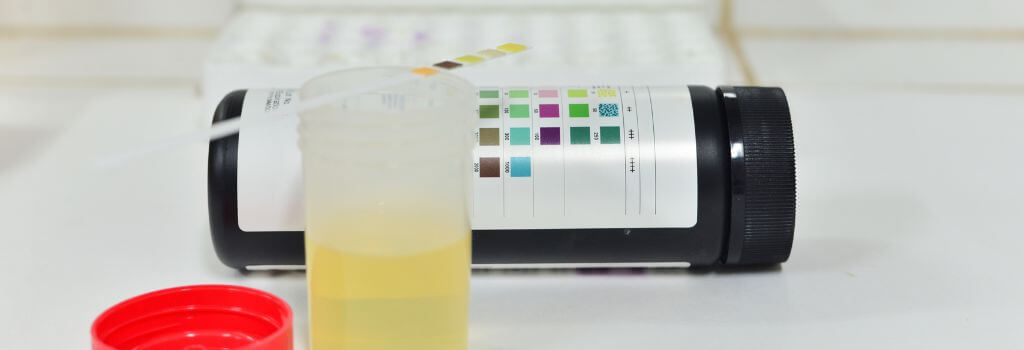
Urine testing complements bloodwork by evaluating the kidneys from a different angle and detecting conditions that blood alone may miss. A urinalysis can reveal:
- Kidney concentration ability and hydration status
- Urinary tract infections
- Bladder crystals or early stone formation
- Glucose spillover indicating diabetes
- Protein loss suggesting kidney disease
- Early signs of urinary tract cancer
Because bloodwork and urinalysis evaluate different aspects of health, they are most informative when run together.
When Lab Work Is Especially Important
Routine Annual Wellness
For healthy adult pets, annual bloodwork establishes and updates that all-important baseline. As pets reach their senior years — generally 7+ for dogs and cats– we often recommend twice-yearly screening because organ values can shift more rapidly and the window for early intervention becomes more time-sensitive.
Before Surgery or Anesthesia
Pre-anesthetic bloodwork is a standard recommendation before any procedure requiring sedation or general anesthesia, including dental cleanings, which are among the most common procedures we perform. These results help us select the safest anesthetic protocol for your individual pet and confirm their organs can handle the metabolic demands of anesthesia.
Before Starting New Medications
Some medications, particularly long-term anti-inflammatories, steroids, seizure medications, and certain antibiotics, can affect the liver, kidneys, or other systems over time. Testing before starting a new medication establishes a baseline for monitoring and helps confirm it's safe to begin.
When Your Pet Is Sick
When symptoms are present but the cause isn't clear, lab work becomes a diagnostic compass. Vomiting, lethargy, weight loss, increased thirst, or changes in urination can all have many possible causes. A CBC and chemistry panel help narrow the field quickly, guide treatment decisions, and measure severity.
Why Baseline Testing Matters
One of the most valuable aspects of routine lab work is establishing what is normal for your pet. Every dog and cat is slightly different, and having baseline values allows your veterinarian to recognize even small changes over time.
When a pet becomes ill, these comparisons can help identify problems earlier, guide treatment decisions, and improve overall outcomes. In many cases, changes in lab values occur before visible symptoms, making routine testing an important part of preventive care.

A Note on What Lab Work Can't Do
It's worth being honest about the limits of bloodwork, because transparency builds better partnerships. Blood and urine panels are extraordinarily useful screening tools, but they aren't a complete picture of every system. For example, bloodwork generally won't confirm whether a pet has cancer or whether cancer has spread, though it can flag changes in organ values that prompt further investigation. Imaging, biopsies, and other diagnostics each play different roles in a complete diagnostic workup.
Lab work is one powerful snapshot. The full album of your pet's health includes the physical exam, history, imaging, and the relationship your veterinary team builds with your pet over years of care.lab photo
A Note on What Lab Work Can't Do
It's worth being honest about the limits of bloodwork, because transparency builds better partnerships. Blood and urine panels are extraordinarily useful screening tools, but they aren't a complete picture of every system. For example, bloodwork generally won't confirm whether a pet has cancer or whether cancer has spread, though it can flag changes in organ values that prompt further investigation. Imaging, biopsies, and other diagnostics each play different roles in a complete diagnostic workup.
Lab work is one powerful snapshot. The full album of your pet's health includes the physical exam, history, imaging, and the relationship your veterinary team builds with your pet over years of care.

Why Trending Matters More Than Any Single Result
We want to leave you with the most important takeaway of all: one number, on one day, in isolation, tells only part of the story.
A value that's within the reference range isn't automatically reassuring if it's been creeping upward year over year. A value that looks slightly elevated on paper may be completely normal for that individual animal. A "normal" panel on a sick pet doesn't mean nothing is wrong; it may mean we need to look further.
The power of routine annual bloodwork is the trend line, the pattern that emerges when you line up years of snapshots side by side. That pattern is what allows a great veterinary team to spot a problem at its earliest, most treatable stage, rather than at the point where your pet's body can no longer compensate.
At The Animal Doctors of Orange County, our teams across the region review each patient's history as a whole, not just today's results in a vacuum. If your pet is due for a wellness visit, or if it's been more than a year since their last blood panel, we'd love to take that snapshot.
Schedule Your Pet's Wellness Lab Work Today
Early detection is the single greatest factor in successful treatment outcomes for most chronic diseases in dogs and cats. Routine bloodwork is affordable, quick, and nearly painless, and the information it provides is irreplaceable.
Contact The Animal Doctors of Orange County:
Book Now
We welcome patients throughout Orange County including Anaheim, Fullerton, Brea, Yorba Linda, Buena Park, La Mirada, Placentia, Orange, Tustin, Irvine, Huntington Beach, Fountain Valley, Mission Viejo, Lake Forest, and all surrounding communities.
This blog is intended for educational purposes. If you have concerns about your pet's health, please contact a veterinarian directly.