
By The Animal Doctors of Orange County | Serving Anaheim, Fullerton, Buena Park, La Mirada, Yorba Linda, Mission Viejo and the greater OC area
Leptospirosis is one of the most underestimated threats facing dogs in Southern California, and Orange County is no exception. This dangerous bacterial infection doesn't just affect dogs in rural areas or on hiking trails. It's showing up in backyards, neighborhood dog parks, and suburban streets right here in our community. Even more alarming, it can spread from your dog to your family.
At The Animal Doctors of Orange County, with locations across the region, educating our clients on preventable diseases is one of our most important responsibilities. Let's break down everything you need to know about leptospirosis, what it is, why it matters in Orange County specifically, how it threatens your household, and what you can do about it right now.
What Is Leptospirosis? Understanding the Basics
Leptospirosis is a serious bacterial infection caused by the Leptospira species. Under a microscope, these bacteria look like a tight coil — and they're remarkably tough. According to the CDC, Leptospira bacteria can survive in the environment, in soil or standing water, for weeks to months (for those in the back, for weeks to months) after being shed by an infected animal. Globally, the CDC estimates approximately 1 million confirmed human leptospirosis cases per year, with around 60,000 deaths annually. Because the disease is frequently misdiagnosed (its symptoms mimic many other illnesses), the true number of cases is almost certainly much higher. Leptospirosis is considered a zoonotic disease, meaning it can spread from animals to humans. Both dogs and cats can be infected, though it is rare in cats. A vaccine currently only exists for dogs, and the American Animal Hospital Association (AAHA) has recently elevated leptospirosis to a core vaccine — meaning it is now recommended for virtually all dogs, not just those with certain lifestyles or exposure risks.

Why Orange County Dogs Are at Risk
Many pet owners assume leptospirosis is a rural problem, something for farm dogs or dogs that swim in rivers. That assumption is outdated and, in our region, potentially dangerous.
A 2023 study published in Scientific Reports tested over 960 wild animals across the greater Los Angeles region, including striped skunks, raccoons, coyotes, Virginia opossums, and squirrels. The results were striking: seroprevalence (exposure rates) ranged from 5% to 60% across species, with infection confirmed in raccoons, skunks, coyotes, and opossums roaming Southern California's urban and suburban landscapes. These are the same animals sharing our neighborhoods.
Orange County communities with higher wildlife corridors, parks, creek beds, and greenbelt areas carry a meaningful leptospirosis exposure risk. This includes areas like:
- Anaheim Hills and Yorba Linda - where coyotes, raccoons, and skunks regularly move through residential areas and the Chino Hills State Park corridor
- Fullerton and Brea - near Laguna Lake, Craig Regional Park, and the Carbon Canyon greenbelt
- Irvine and Tustin - adjacent to the Irvine Ranch Open Space and Peters Canyon Regional Park, frequented by wildlife
- Huntington Beach and Fountain Valley - near the Santa Ana River Trail and Talbert Regional Park, where wildlife and standing water intersect
- La Mirada and Buena Park - proximity to Coyote Creek and the San Gabriel River basin, known corridors for urban wildlife
- Mission Viejo and Lake Forest - near O'Neill Regional Park and Whiting Ranch Wilderness Park
Additionally, a 2021 outbreak in Los Angeles County produced over 120 confirmed canine leptospirosis cases in a short period, and that outbreak spread primarily through urban settings like dog parks, kennels, and beaches, not rural farms. Orange County shares the same urban wildlife profile as LA County, making our communities equally susceptible.
A survey of dog owners in the affected LA communities found that 68% were unaware of the outbreak, and 77% were unfamiliar with the signs and risks of leptospirosis, making education the single most powerful first line of defense.
How Dogs Get Leptospirosis
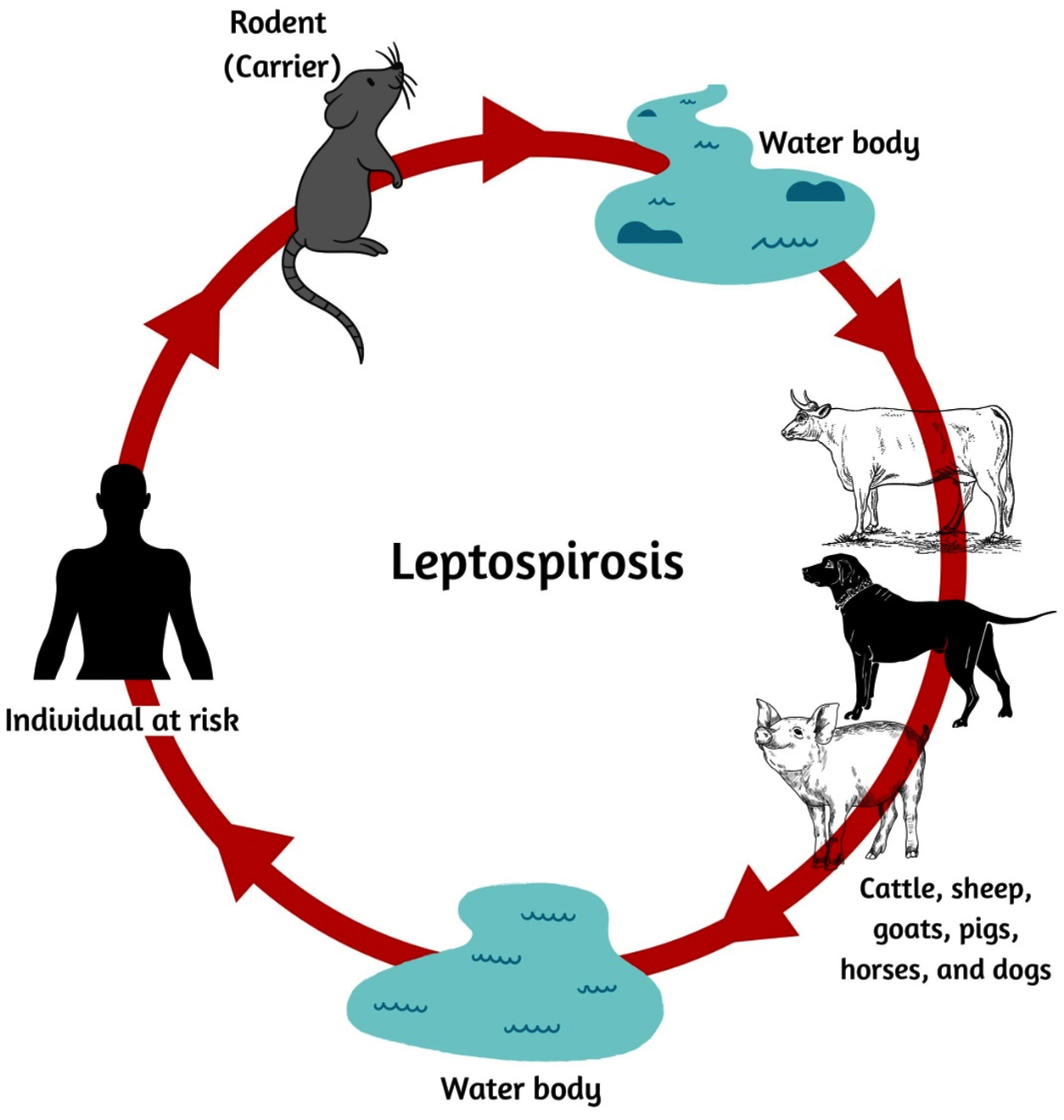
Leptospira bacteria are spread primarily through the urine of infected animals. Once that urine contaminates soil or water, the bacteria can persist in the environment for weeks to months.
Your dog doesn't need to encounter a sick animal directly. Common sources of exposure include:
- Standing water - puddles after rain, stagnant ditches, ornamental ponds, and low-lying areas along trails
- Contaminated soil - particularly in moist or shaded areas where wildlife regularly travels
- Local wildlife - raccoons, skunks, coyotes, opossums, rats, and mice are the primary reservoir hosts in Southern California
- Dog parks and shared spaces - an unvaccinated dog infected with leptospirosis can shed bacteria in its urine, contaminating shared grass and water stations
- Your own backyard - rats and other rodents visiting your yard at night can silently leave infectious urine behind
According to the CDC, dogs are at higher risk if they have contact with other dogs at dog parks, boarding, or training facilities, even dogs with seemingly "indoor" lifestyles have documented exposure cases. The American College of Veterinary Internal Medicine (ACVIM) has stated that "all dogs are at risk of leptospirosis, regardless of signalment, geographic location, lifestyle, and temperament."
Signs of Leptospirosis: What to Watch For
The tricky thing about leptospirosis is that its early signs are vague and easy to dismiss as a minor stomach bug. Signs in infected dogs may include:
- Lethargy or sudden decrease in energy
- Vomiting and diarrhea
- Loss of appetite and weight loss
- Fever
- Increased drinking and urination
- Difficulty breathing
- Yellowing of the skin or eyes (jaundice)
- Muscle stiffness or pain
Some dogs will fight off the infection with minimal symptoms. Others, depending on their immune system and the infecting strain, can develop life-threatening complications including kidney failure, liver failure, heart muscle damage, and severe lung disease (per the AVMA).
During advanced infection, the bacteria concentrate heavily in the kidneys. This leads to increased urination, including accidents inside the house. If you clean up urine from an infected dog without protection, you've potentially just exposed yourself to leptospirosis.
Research shows that treatment without early intervention is often much more costly UC Davis data found that affected dogs were hospitalized for an average of 11 days at a cost of over $5,400, and 13% of affected dogs died. Early recognition and treatment with antibiotics dramatically improves outcomes.
Leptospirosis and Your Family: The Zoonotic Risk
This is where leptospirosis becomes a whole-household conversation, not just a pet health issue. The California Department of Public Health (CDPH) confirms that people can contract leptospirosis through contact with urine-contaminated water or soil, the bacteria enters through broken skin, or mucous membranes like the eyes, nose, or mouth. In humans, symptoms can range from mild flu-like illness to severe complications involving the kidneys, liver, lungs, heart, and brain.
Children who play in the backyard, families who hike trails, and anyone who handles a sick dog's urine or cleans up after accidents indoors are all potentially at risk. A 2024 CDC report documented a human leptospirosis case directly linked to an outbreak in dogs, a strong reminder that protecting your dog protects your entire household.
If your dog has been ill and is urinating in the house, always wear gloves, wash your hands thoroughly, and disinfect the area immediately. Leptospira bacteria are killed by standard disinfectants including diluted bleach.

A Note on Cats and Leptospirosis
While cats can be infected with Leptospira, it is rare and most cases appear mild. Scientific investigation into feline leptospirosis remains limited, and no vaccine currently exists for cats. One area of ongoing inquiry noted in veterinary literature (Merck Veterinary Manual) is whether Leptospira plays a role in the development of chronic kidney disease in cats, though this has not yet been fully established. Outdoor cats with wildlife exposure carry a higher theoretical risk. We encourage cat owners in our Orange County communities to discuss their individual situation with our veterinary teams.
How to Prevent Leptospirosis: Protecting Your Dog and Your Family
1. Vaccinate Your Dog: Every Year
The single most important step you can take is ensuring your dog is vaccinated against leptospirosis, and keeping that vaccine current with annual boosters. AAHA now classifies leptospirosis as a core vaccine for dogs. The ACVIM advises annual vaccination for all dogs. The current vaccines protect against the most common and dangerous strains, including those circulating in Southern California. Today's lepto vaccines are safer than older formulations and provide solid protection for 12 months.
**If your dog has never received the leptospirosis vaccine, the initial protocol involves two injections given approximately 3–4 weeks apart, followed by annual boosters. This is a small investment compared to the financial and emotional cost of treating a dog with organ failure.
2. Avoid Risky Water Sources
Don't let your dog drink from or wade in standing water, puddles, drainage ditches, pond edges, creek beds, or stagnant areas along trails. Always carry fresh water on walks and hikes. This is especially important after Orange County's winter rains, when standing water collects along trails in areas like Carbon Canyon, Chino Hills, and the Santa Ana River basin.
3. Control Rodents Around Your Home
Rats and mice are among the most significant urban reservoirs for Leptospira. Research suggests up to 90% of city rats may shed the bacteria in their urine. Eliminate food sources, seal entry points, and address any rodent activity around your property promptly.
4. Practice Smart Hygiene After Outdoor Time
Wipe your dog's paws after walks in potentially contaminated areas. If your dog is ill and having accidents indoors, wear gloves and disinfect thoroughly. Wash your hands after handling your dog, their waste, or their bedding, particularly if they've been in areas with wildlife activity.
5. Know the Warning Signs
If your dog shows lethargy, vomiting, increased thirst/urination, or jaundice, especially after recent outdoor exposure, contact us immediately. Early antibiotic treatment is highly effective; delayed treatment can result in permanent organ damage or death.
Schedule Your Dog's Leptospirosis Vaccine Today
Don't wait for an outbreak to take this threat seriously. Leptospirosis is vaccine-preventable, and annual vaccination is now the standard of care for dogs across Orange County and Southern California.
Contact The Animal Doctors of Orange County
We welcome patients from throughout Orange County including Anaheim, Fullerton, Brea, Yorba Linda, Buena Park, La Mirada, Placentia, Orange, Tustin, Irvine, Huntington Beach, Fountain Valley, Mission Viejo, Lake Forest, and all surrounding communities.
This blog is intended for educational purposes. If you believe your dog may be ill, please contact a veterinarian immediately. In an emergency, call us directly or visit your nearest emergency animal hospital.
Sources & Further Reading
- CDC – Leptospirosis in Animals
- California Department of Public Health – Leptospirosis
- AVMA – Leptospirosis
- Scientific Reports – Pathogenic Leptospira in Southern California Wildlife (2023)
- PMC – Canine Leptospirosis: A One Health Approach (2024)
- PMC – Canine Leptospirosis Outbreak Owner Survey (2025)
- Merck Veterinary Manual – Leptospirosis in Cats
- Worms & Germs Blog – Human Leptospirosis Linked to Canine Outbreak (2024)