
![]() Visiting Dog Parks & Communal Dog Spaces: What Every Pet Parent Should Know
Visiting Dog Parks & Communal Dog Spaces: What Every Pet Parent Should Know
Dog parks, hiking trails, outdoor patios, and communal pet spaces can be wonderful places for dogs to exercise, socialize, and explore the world around them. Many pet parents love bringing their dogs to these spaces to burn off energy and enjoy time outdoors together.
Like any shared environment, however, communal dog spaces come with a few responsibilities and considerations. Understanding how to safely navigate these environments helps ensure that both you and your dog have a positive experience.
Why Dogs Love Dog Parks

For many dogs, off-leash parks and communal pet areas offer enrichment that is hard to recreate at home. Dogs can run freely, explore new scents, and interact with other dogs in a way that supports healthy mental and physical stimulation.
Benefits of communal dog spaces can include:
- Exercise and physical activity
- Socialization with other dogs
- Mental stimulation from new environments
- Opportunities to practice training and recall
When approached thoughtfully, these spaces can be a fun addition to your dog's routine.
Understanding Off-Leash Etiquette
One of the most important things to remember about dog parks is that they are shared spaces with many different dogs, personalities, and training levels.
Before entering an off-leash area, consider whether your dog:
- Responds reliably to recall
- Is comfortable around unfamiliar dogs
- Does not guard toys, food, or people
- Is up-to-date on vaccines and parasite prevention
If your dog is still learning social skills or tends to be nervous, quieter walking trails or structured playdates with known dogs may be a better starting point.
Responsible pet owners should also closely supervise their dogs while they play. Staying engaged allows you to recognize early signs of stress or overstimulation before conflicts occur.
What Happens if Dogs Fight?

While most interactions at dog parks are friendly, disagreements between dogs can occasionally happen. Dogs communicate through body language, and sometimes excitement or misunderstandings can escalate quickly.
If a dog fight occurs, owners are responsible for maintaining control of their pets and intervening safely when possible. In California, local animal control laws generally require that dogs remain under the control of their owner at all times, even in designated off-leash areas.
If a bite occurs, reporting requirements may apply depending on the severity of the incident and local municipal codes. Animal control may investigate bites that break skin to ensure public safety and confirm rabies vaccination status.
The best prevention is active supervision and early intervention. If play becomes too rough or one dog seems uncomfortable, calmly separating the dogs before tension escalates can prevent problems.
Health Considerations in Shared Dog Spaces
Because communal spaces bring many animals together, they can sometimes expose pets to parasites or contagious diseases. Fortunately, many of these risks can be greatly reduced through proper veterinary care and preventive medicine.
Common concerns may include:
Intestinal parasites
Parasites such as roundworms, hookworms, and Giardia can spread through contaminated soil or feces in areas where many dogs gather.
Fleas and ticks
External parasites can move easily between animals that interact closely.
Respiratory infections
Illnesses like canine infectious respiratory disease complex, often called "kennel cough", can spread in environments where dogs socialize frequently, not just in kennels like the name suggests.
Parvovirus and Distemper
These serious viral diseases can spread through contaminated environments and contact with infected dogs. Parvovirus can survive in soil for long periods of time, which makes vaccination extremely important. The good news is that both parvo and distemper are highly preventable through routine vaccination.
Leptospirosis
Leptospirosis is a serious bacterial infection that spreads through contaminated water, soil, or exposure to wildlife such as rodents. It can cause severe illness in dogs affecting the kidneys and liver, and it is also zoonotic, meaning it can be transmitted to people. Because of the potential risk to both pets and humans, vaccination and prompt veterinary care are extremely important for dogs that spend time outdoors, hiking, or visiting communal animal spaces.
Keeping your dog current on vaccinations and parasite prevention is one of the most effective ways to help protect them while enjoying public dog spaces.
The "Shoe Factor" Many Pet Owners Don't Think About

One lesser-known way diseases and parasites can travel is through shoes and clothing.
Germs can be tracked into communal areas from places such as:
- Veterinary clinics
- Dog daycare or grooming facilities
- Wildlife areas and hiking trails
- Other parks and outdoor environments
Simple habits like washing your hands after dog park visits and wiping your dog's paws before entering your home can help minimize the spread of germs.
Hiking Safety and Wildlife Awareness

For pet owners in South Orange County, especially those exploring trails near the canyon areas and wilderness parks, wildlife awareness is also important.
Rattlesnake sightings are more common in these natural environments, particularly during warmer months. Dogs are naturally curious and may approach snakes without recognizing the danger.
There is a rattlesnake vaccine available for dogs that can help reduce the severity of symptoms if a bite occurs. While it does not replace emergency treatment, it can help extend the time available to safely return to your vehicle and seek veterinary care. This vaccine can be especially helpful for dogs that frequently hike or spend time on canyon trails.
Keeping dogs on leash during hikes and staying on marked trails can also help reduce the risk of wildlife encounters.
Tips for Safe and Positive Dog Park Visits
A few simple habits can make dog park outings more enjoyable for everyone.
Visit during quieter times
This can help reduce overstimulation and make the experience more manageable for many dogs.
Observe the environment before entering
Take a moment to watch how the dogs are interacting to ensure the atmosphere feels calm and safe.
Avoid bringing food or toys
These items can sometimes trigger guarding behaviors between unfamiliar dogs.
Know when to leave
If your dog appears overwhelmed, tired, or uncomfortable, ending the visit early is always a good decision.
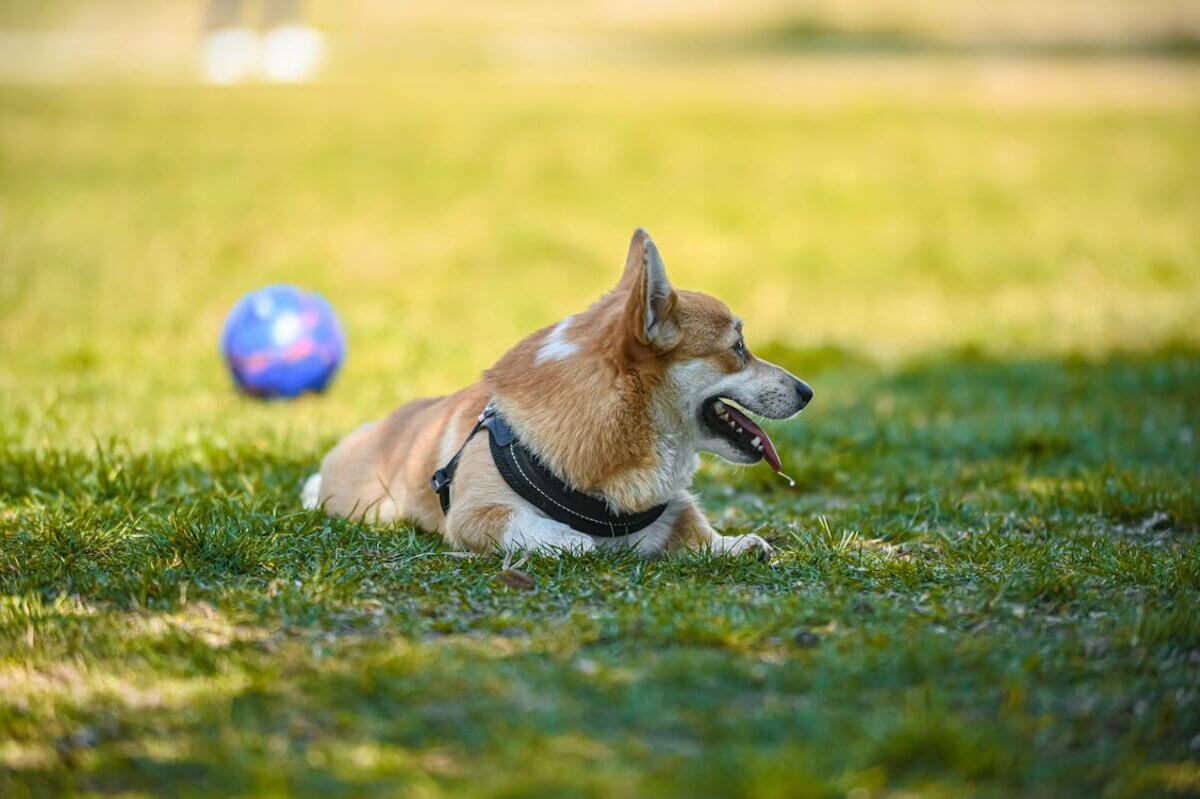
Not Every Dog Loves Dog Parks
Just like people, dogs have different personalities. Some dogs thrive in social environments, while others prefer calmer activities like neighborhood walks, hiking trails, or playdates with familiar friends.
Paying attention to your dog's comfort level will help you choose the best activities for them.
A Healthy Balance
Communal dog spaces can be a wonderful part of your dog's life when approached thoughtfully. With proper supervision, preventive care, and awareness of the environment around you, these outings can remain safe and enjoyable for both pets and their people.
If you ever have questions about vaccines, parasite prevention, or preparing your dog for outdoor adventures, your veterinary team is always happy to help guide you.
Because when it comes to your pet's health and happiness, they deserve it all.