
Easter brings a surge in pet-related emergencies every year, largely due to increased exposure to toxins, foreign bodies, and dietary indiscretion. Veterinary poison hotlines consistently report spikes in calls related to chocolate, plants, and candy ingestion during this holiday.
Below is a deeper look at the most common risks, why they are dangerous physiologically, and what that means for your pet.
Chocolate & Candy Toxicity: What's Actually Happening

Chocolate toxicity is not just a "don't feed chocolate" rule; it's a dose-dependent toxicologic emergency.
Chocolate contains methylxanthines (theobromine and caffeine), which dogs metabolize very slowly. This leads to:
- Central nervous system overstimulation
- Cardiac arrhythmias
- Gastrointestinal irritation
Clinical signs can include:
- Vomiting and diarrhea
- Hyperactivity or restlessness
- Tremors or seizures
- Elevated heart rate
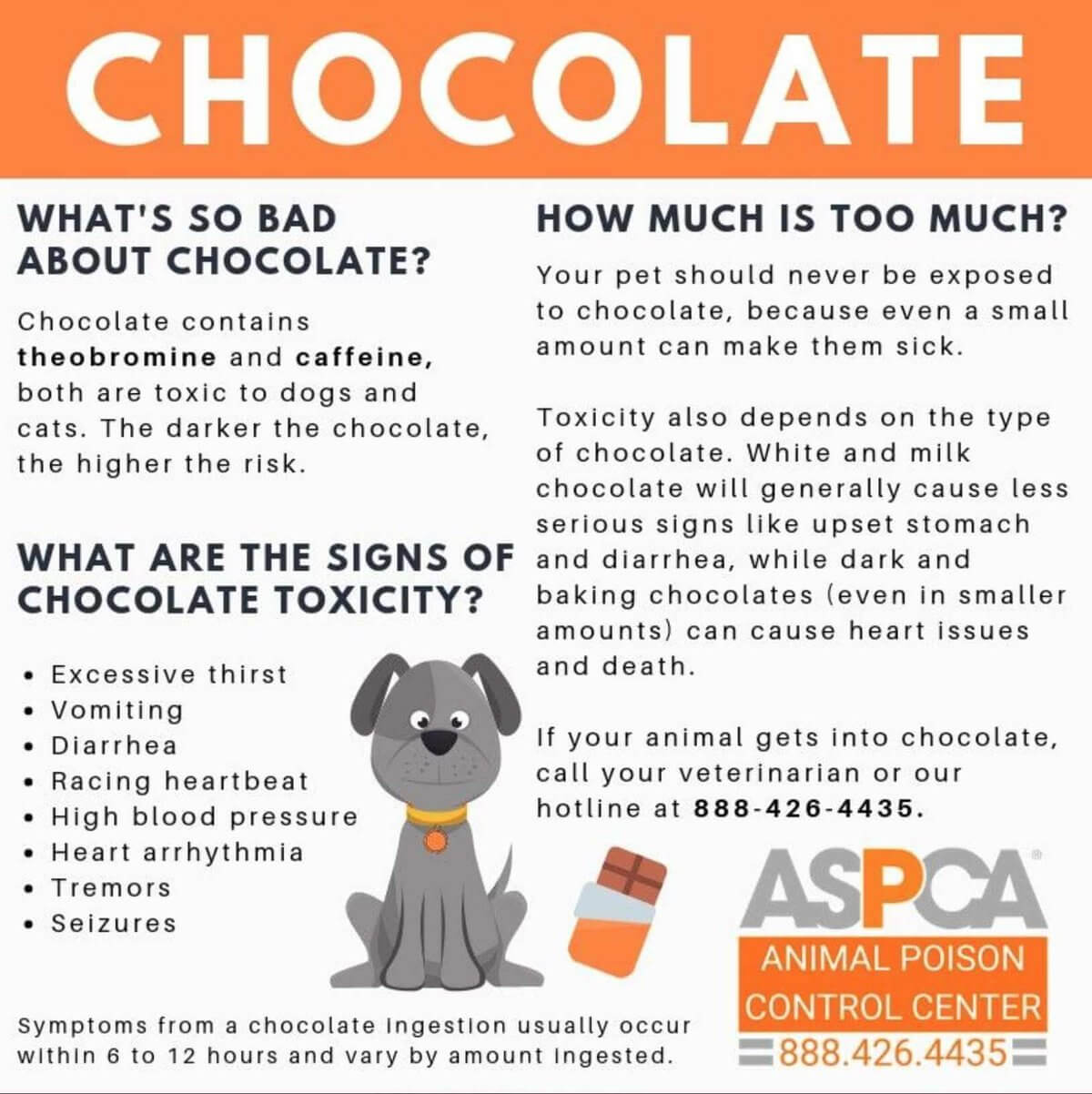
Dark chocolate and baking chocolate contain higher concentrations of the toxic compounds found in cocoa, making them significantly more dangerous. White chocolate does not contain cocoa solids and therefore does not pose the same toxicity risk, but it is still high in fat and sugar, which can lead to gastrointestinal upset and, in some cases, pancreatitis.
Pancreatitis is inflammation of the pancreas, an organ responsible for producing digestive enzymes and regulating blood sugar. When inflamed, the pancreas can begin to digest surrounding tissue, leading to symptoms such as vomiting, abdominal pain, lethargy, and decreased appetite, and may require veterinary care and hospitalization.
Xylitol: The More Dangerous Threat
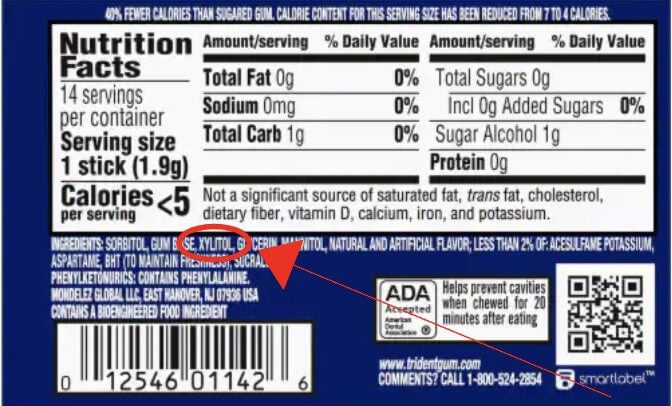
While chocolate often gets the most attention, xylitol (pronounced zai-luh-tall) is one of the most urgent and life-threatening toxins we see in dogs.
- Causes a rapid insulin release in dogs
- Leads to severe hypoglycemia within minutes- thus causing seizures
- Can progress to acute liver failure
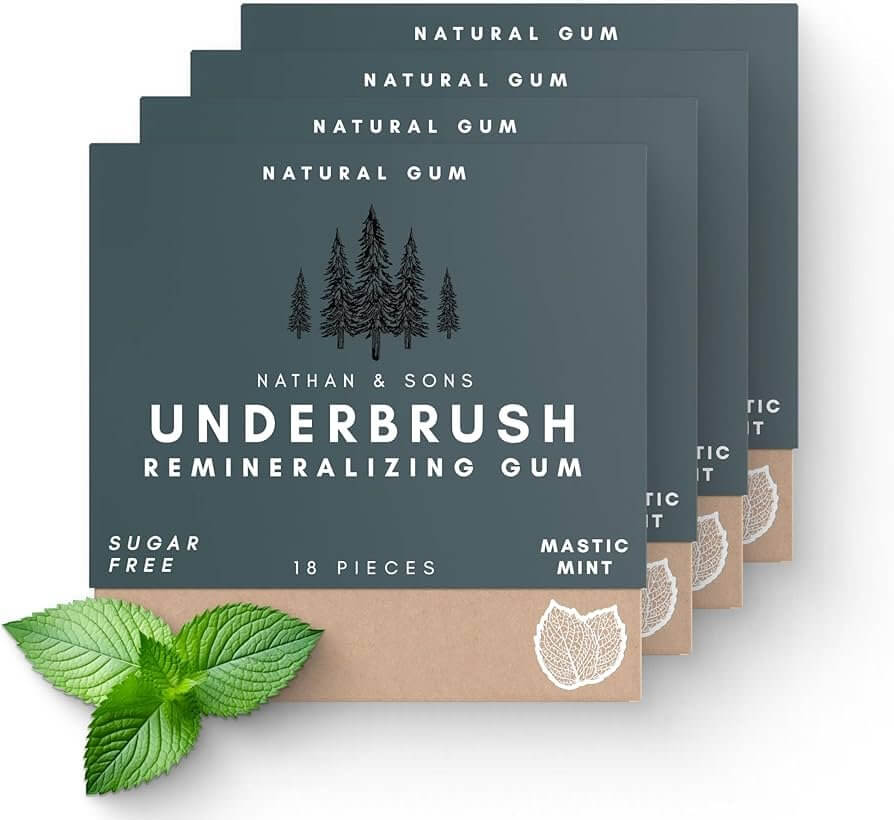
Xylitol causes a rapid release of insulin, which can lead to dangerously low blood sugar (hypoglycemia) within minutes. In more severe cases, it can also progress to acute liver failure. Even a small amount, sometimes just a single piece of candy, can be enough to cause toxicity, especially in smaller dogs. For example, some products like the natural gum (pictured below) may contain around 1 gram or 1,000 mg of xylitol per piece, which can be extremely dangerous depending on your dog's size. For reference, popular brands like Trident and Extra can have somewhere between 50-80mg per piece which is extremely harmful. Because formulations vary, always check ingredient labels and xylitol content before purchasing or bringing products into your home.
This is a true emergency. If you suspect your pet has ingested anything containing xylitol, seek veterinary care immediately. We strongly recommend calling us right away so our team can prepare for your arrival. In some cases, we may guide you through safe at-home steps while you are on your way to help buy critical time.
Plastic Grass & Linear Foreign Bodies
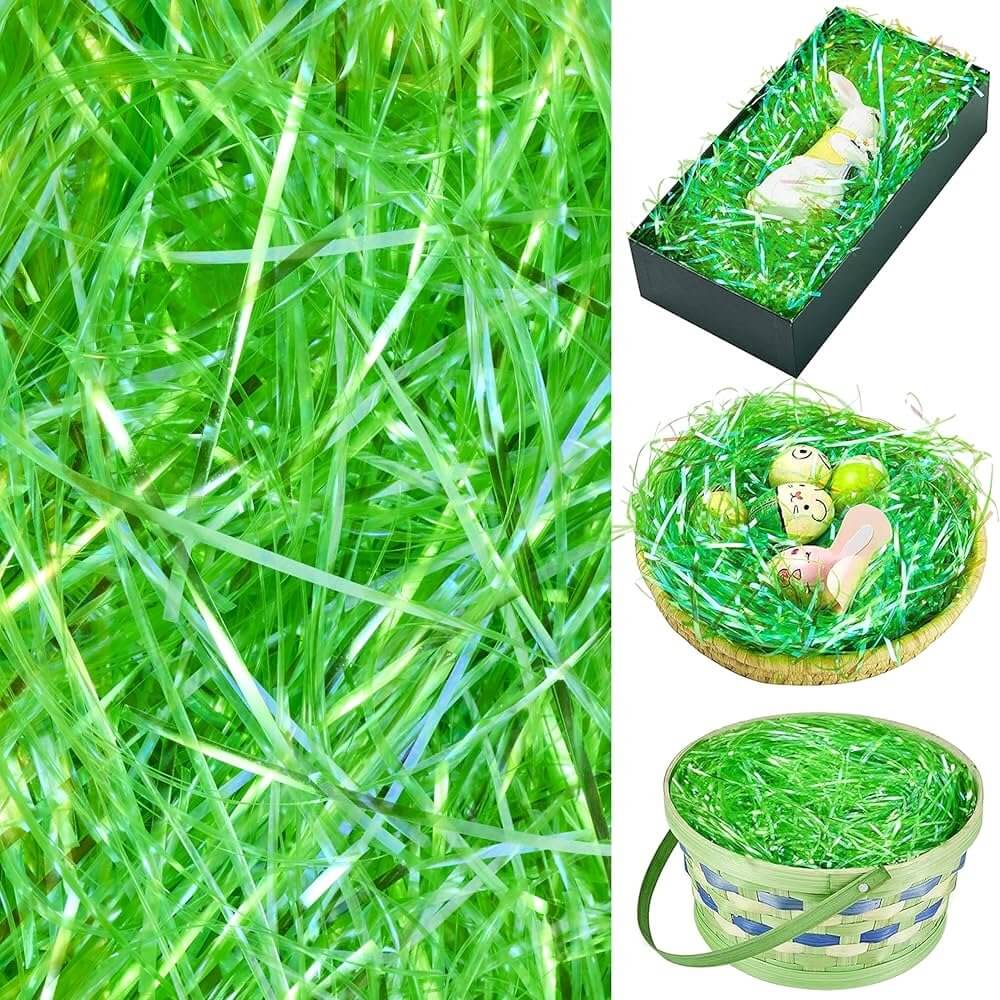

Plastic Easter grass is not chemically toxic, but it presents a significant mechanical risk when ingested. Because of its thin, string-like structure, it can behave similarly to thread, ribbon, or yarn inside the gastrointestinal tract.
When a pet swallows this material, particularly cats who are naturally drawn to string-like objects, it can act as a linear foreign body. This means one end of the material may become anchored, often under the tongue or in the stomach, while the rest continues to move through the intestines.
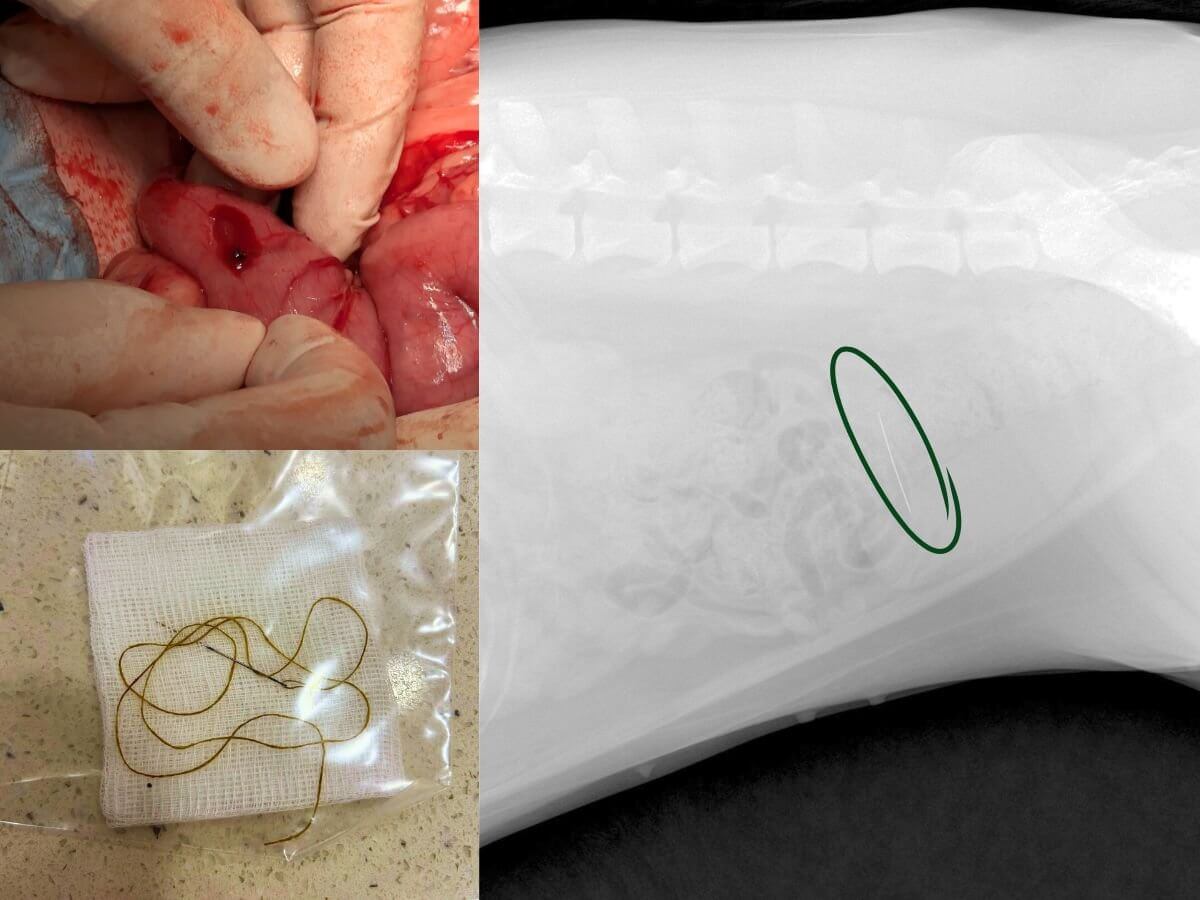
As the intestines attempt to push the material forward, they can begin to plicate, or "accordion," along the string, rather than moving it normally. This creates tension within the intestinal tract and can lead to:
- Intestinal obstruction
- Compromised blood supply to sections of the bowel
- Tearing or perforation of the intestinal wall
These are considered surgical emergencies and can become life-threatening quickly if not addressed. The longer the material remains in the gastrointestinal tract, the greater the risk of complications and the more complex the surgical intervention may become.
Signs to Watch For
Clinical signs are often nonspecific early on but can progress rapidly. Watch closely for:
- Repeated or persistent vomiting
- Decreased or absent appetite
- Lethargy or hiding behavior
- Abdominal discomfort (hunched posture, reluctance to move, sensitivity when picked up)
- String-like material visible from the mouth or rectum
Important: Never attempt to pull string or plastic material from your pet if you see it protruding, as this can cause additional internal damage.
💛 Prevention Tip
Avoid using plastic grass in Easter baskets entirely. Opt for paper-based fillers or pet-safe alternatives, and keep all decorative materials out of reach.
Wrappers, Eggs & Obstruction Risks

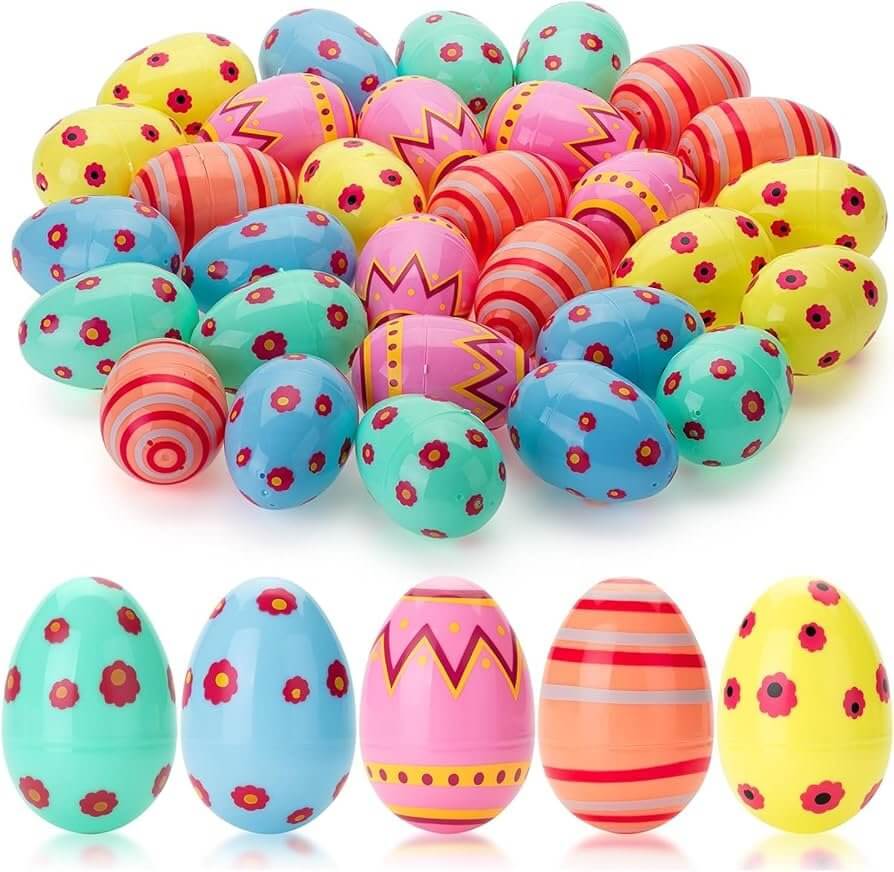
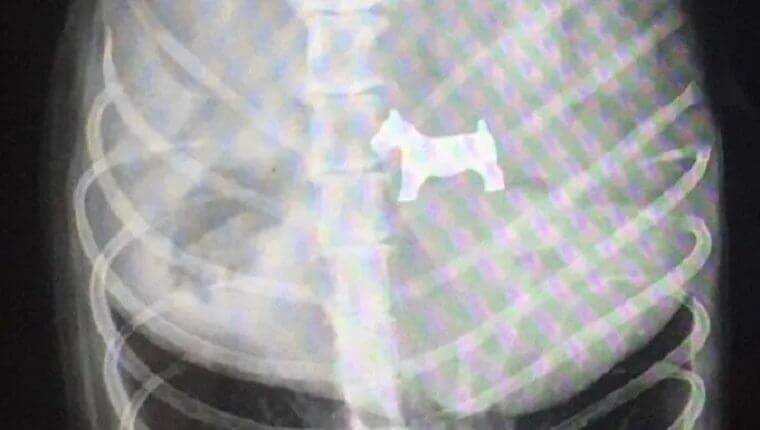
Much like string can cause serious gastrointestinal complications, other common Easter items such as wrappers, plastic eggs, and small decorations can also bunch up or become lodged within the digestive tract, leading to obstruction.
Foreign body ingestion is one of the most common reasons pets require emergency surgery, and holidays like Easter significantly increase that risk due to the abundance of accessible, unfamiliar items.
Items of particular concern include:
- Foil wrappers, often swallowed along with chocolate
- Plastic Easter eggs or broken pieces
- Small toys or decorative items
- Packaging materials and cellophane
These materials are indigestible, meaning the body cannot break them down or pass them easily. Once ingested, they may:
- Become stuck in the stomach or intestines
- Create a complete or partial obstruction
- Compromise blood flow to sections of the bowel
- Lead to tissue damage, necrosis, or perforation
As pressure builds behind the obstruction, pets can become increasingly ill, and surgical intervention is often required to remove the object and restore normal function.
Signs to Watch For
- Vomiting, especially persistent or repeated episodes
- Loss of appetite
- Lethargy
- Abdominal pain or discomfort
- Straining or inability to pass stool
It's important to remember that even items that are not chemically toxic can still become life-threatening due to physical obstruction.
💛 Prevention Tip
Keep Easter baskets, wrappers, and small items out of reach, and dispose of packaging promptly. Supervision during celebrations goes a long way in preventing accidental ingestion.
Toxic Plants: Why Lilies Are So Dangerous


Lilies & Cats: A True Emergency
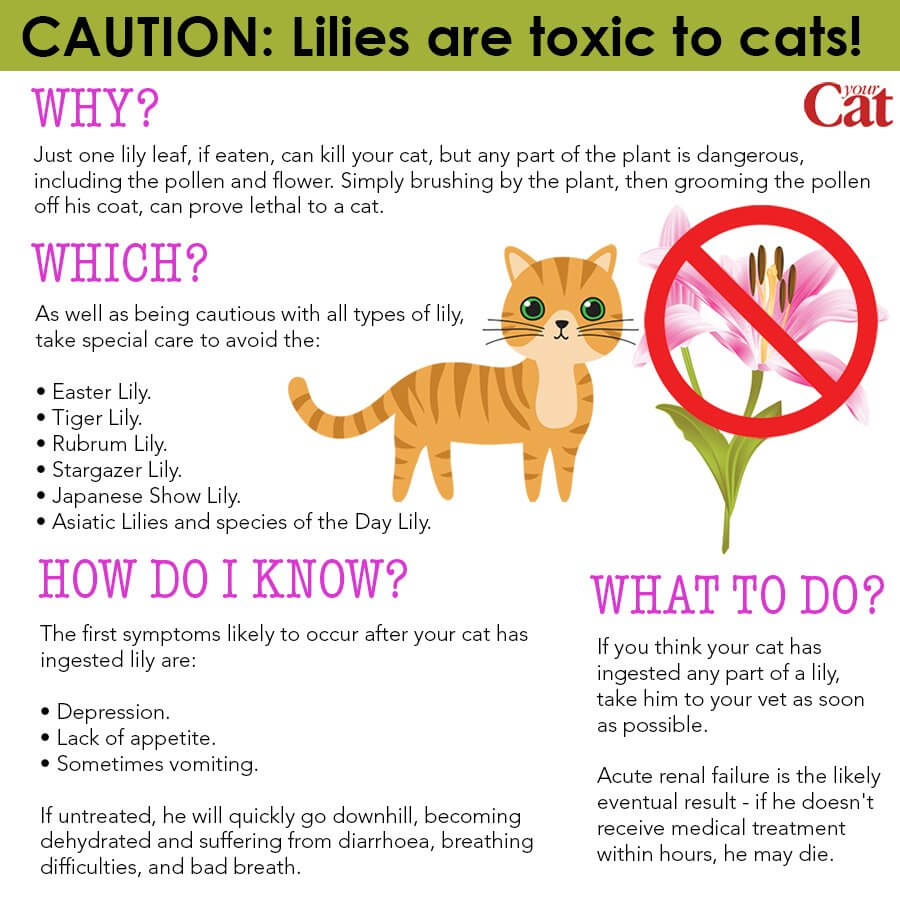
Lilies represent one of the most severe and time-sensitive toxic exposures we see in cats. Even small amounts can have devastating consequences.
All parts of the plant are toxic, including the petals, leaves, stems, pollen, and even the water in the vase. Exposure does not require ingestion of the plant itself. Cats can become critically ill simply by grooming pollen off their fur.
Lily toxicity causes acute kidney failure, and there is currently no antidote available. Because of this, early intervention is critical.
Without prompt treatment, toxicity can progress rapidly and may become fatal. However, when addressed within the first several hours of exposure, outcomes improve significantly.
Treatment typically involves:
- Immediate decontamination when appropriate
- Aggressive intravenous fluid therapy
- Close monitoring of kidney values
- Hospitalization for supportive care
Other Spring Plants to Be Aware Of
While not as severe as lilies in cats, other common spring plants can still pose risks to pets.
Plants such as tulips, daffodils, and hyacinths contain naturally occurring compounds that can:
- Irritate the gastrointestinal tract, leading to vomiting and diarrhea
- Cause drooling or oral irritation
- In more severe cases, affect the heart or nervous system
The highest concentration of these compounds is found in the bulbs, making them particularly dangerous if dug up or ingested.
💛 Prevention Tip
When decorating for the season, choose pet-safe plants whenever possible and keep all floral arrangements well out of reach.
Hidden Food Risks Beyond Candy
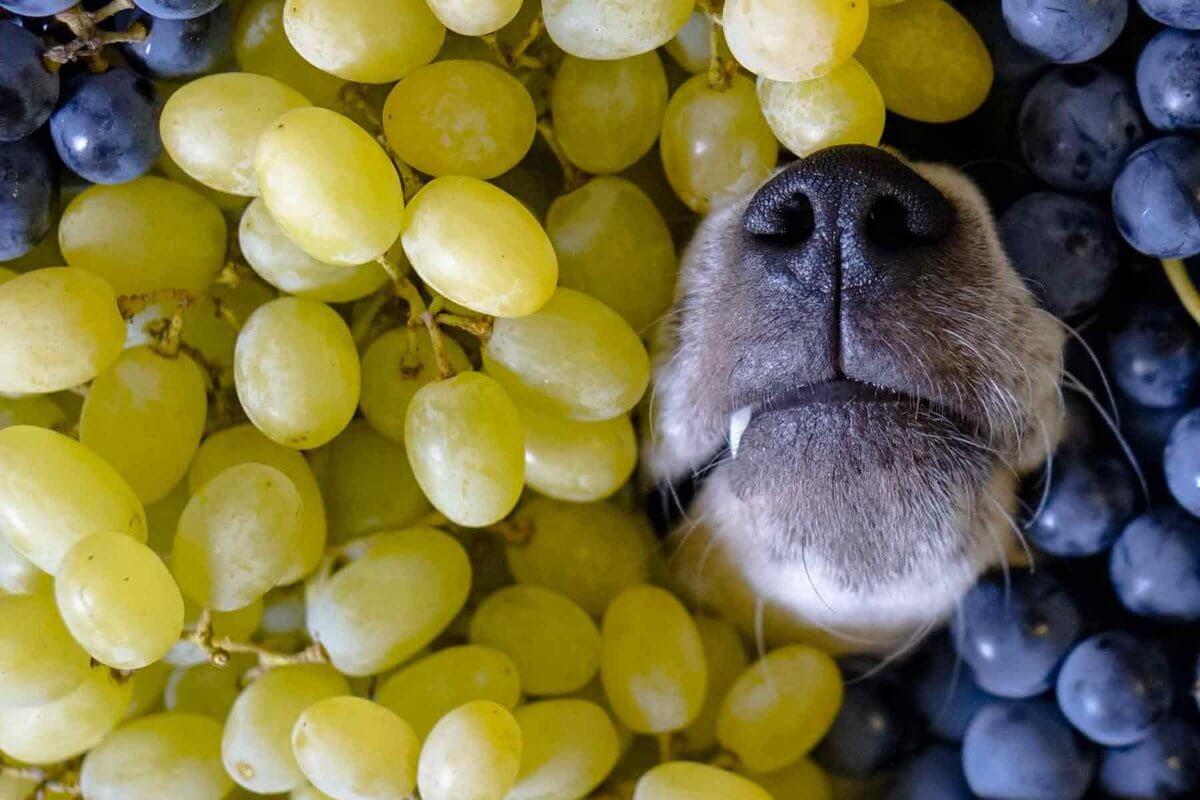
Easter celebrations often include foods that may seem harmless but can pose significant health risks to pets. Unlike chocolate, these items are less commonly recognized as dangerous, which can lead to accidental exposure.
Grapes & Raisins
Grapes and raisins are highly toxic to dogs and can lead to acute kidney failure, even in small amounts. What makes this particularly concerning is that the exact toxic dose is unpredictable. Some dogs may develop severe toxicity after ingesting only a few grapes, while others may tolerate larger amounts without immediate signs.
Because of this variability, any ingestion should be considered potentially serious.
Signs may include:
- Vomiting (often within hours)
- Lethargy
- Loss of appetite
- Increased thirst or decreased urination as kidney function becomes affected
Early treatment is critical and may involve decontamination and aggressive fluid therapy to support the kidneys.
Fatty Foods
Rich, fatty foods such as ham, lamb, butter-based dishes, and baked goods are common during Easter gatherings and can trigger pancreatitis, particularly in dogs.
Pancreatitis is inflammation of the pancreas, which disrupts normal digestion and can lead to significant discomfort and systemic illness. High-fat meals can overstimulate the pancreas, causing digestive enzymes to activate prematurely and begin affecting surrounding tissues.
Clinical signs often include:
- Vomiting
- Decreased appetite
- Abdominal pain (sometimes seen as a hunched posture)
- Lethargy
In more severe cases, pancreatitis can require hospitalization, intravenous fluids, pain management, and supportive care.
Onions & Garlic
Onions, garlic, chives, and related foods belong to the Allium family and can be toxic to both dogs and cats. These compounds cause oxidative damage to red blood cells, leading to their premature destruction.
This can result in hemolytic anemia, a condition where the body is unable to carry oxygen effectively.
Toxicity can occur from raw, cooked, powdered, or dehydrated forms, meaning foods like seasoned meats, gravies, and stuffing can all pose a risk.
Signs may not appear immediately and can develop over several days, including:
- Lethargy
- Weakness
- Pale gums
- Increased heart rate or breathing effort
Because symptoms can be delayed, exposure is not always immediately recognized, making awareness especially important during holidays when these ingredients are commonly used.
💛 Prevention Tip
Avoid feeding table scraps, keep holiday foods out of reach, and remind guests not to share food with pets. Even small amounts of certain ingredients can have significant health consequences.
Stress & Environmental Risks
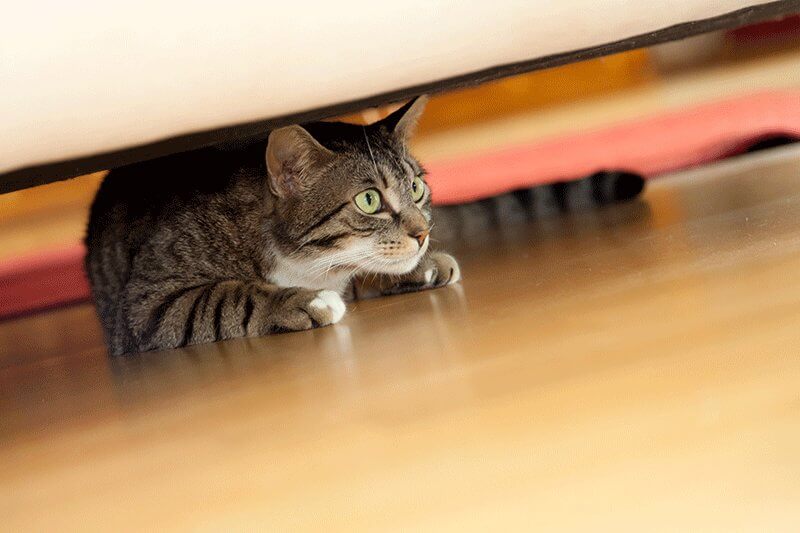
Not all Easter-related risks come from toxins or ingestion. Changes in routine, environment, and household activity can have a significant impact on your pet's physical and emotional well-being.
Holidays often introduce unfamiliar stimuli, including increased noise, new people, children, food smells, and disruptions to normal schedules. While these may seem minor to us, they can be overwhelming for many pets, particularly those that are more sensitive, anxious, or not well-socialized.
Common Holiday Stressors
- Increased foot traffic and unfamiliar guests
- Loud environments, music, or excited children
- Changes in feeding or walking schedules
- Open doors or gates, increasing the risk of escape
- More opportunities for pets to access unsafe foods or objects
For some pets, this heightened stimulation can trigger a stress response, which is not just behavioral—it can also have physical effects on the body.
Stress can lead to:
- Gastrointestinal upset (vomiting or diarrhea)
- Decreased appetite
- Increased heart rate and respiratory rate
- Exacerbation of underlying medical conditions
How This May Present
Signs of stress or anxiety can vary but often include:
- Panting or pacing, even when not physically active
- Hiding or withdrawing from interaction
- Trembling or increased clinginess
- Excessive vocalization
- Gastrointestinal signs such as soft stool or vomiting
In some cases, stress can also lead to escape behaviors, especially if doors are left open during gatherings. This is one of the most common times pets become lost.
💛 Prevention Tip
Providing your pet with a quiet, secure space away from the activity can make a significant difference. A familiar bed, crate, or designated room allows them to decompress and feel safe during busy celebrations.
Maintaining as much of their normal routine as possible—especially feeding and walks—can also help reduce stress.
Why Early Intervention Matters
Across all of these risks, one theme remains consistent:
Timing significantly impacts outcomes.
- Chocolate toxicity outcomes improve with early decontamination
- Xylitol cases require immediate glucose support
- Lily exposure survival depends on treatment within hours
- Foreign bodies become more dangerous the longer they remain
Veterinary intervention is not just reactive… It is often life-saving when done early.
If you have questions and you'd like to reach out to us, you can call or text us directly at any of our locations. Don't forget to follow us on social media Facebook, Instagram.