If your dog is constantly licking their paws, scratching, or dealing with recurring ear infections, allergies may be the underlying cause.
Allergies are one of the most common chronic conditions we see in dogs, and one of the most misunderstood. Many pets are labeled as "just allergic," but what that really means is their immune system is overreacting to something in their environment, diet, or daily life.
In Southern California, this becomes even more important. Our mild climate allows allergens like pollen, grasses, dust mites, and molds to persist throughout the year. While spring often brings the most noticeable flare-ups, allergy triggers are rarely limited to a single season.
Why Do Dogs Develop Allergies?
Allergies occur when the immune system reacts to substances that would normally be harmless. These triggers, known as allergens, can include:
- Environmental allergens like pollen, grasses, dust mites, and molds
- Flea saliva
- Food proteins such as chicken, beef, or dairy
- Contact irritants like cleaning products or surfaces

Canine atopic dermatitis is a genetically predisposed, inflammatory, and pruritic disease associated with environmental allergens.
In our region of Southern California, environmental exposure plays a major role. Urban landscaping can contribute in some areas, particularly where higher-pollen or male plant species are used, which release more pollen into the air.
Why Allergy Management Matters

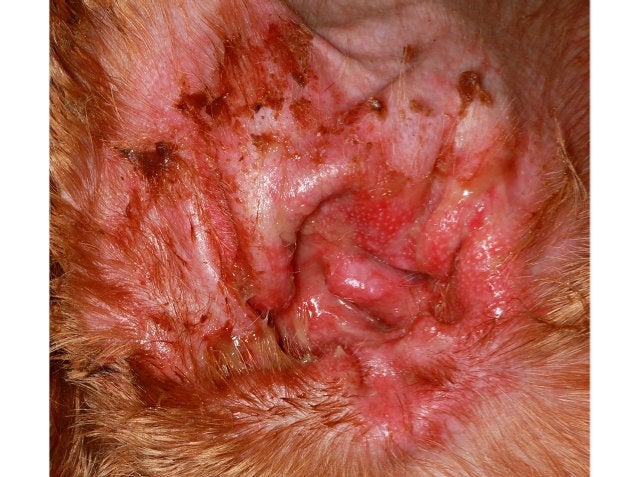
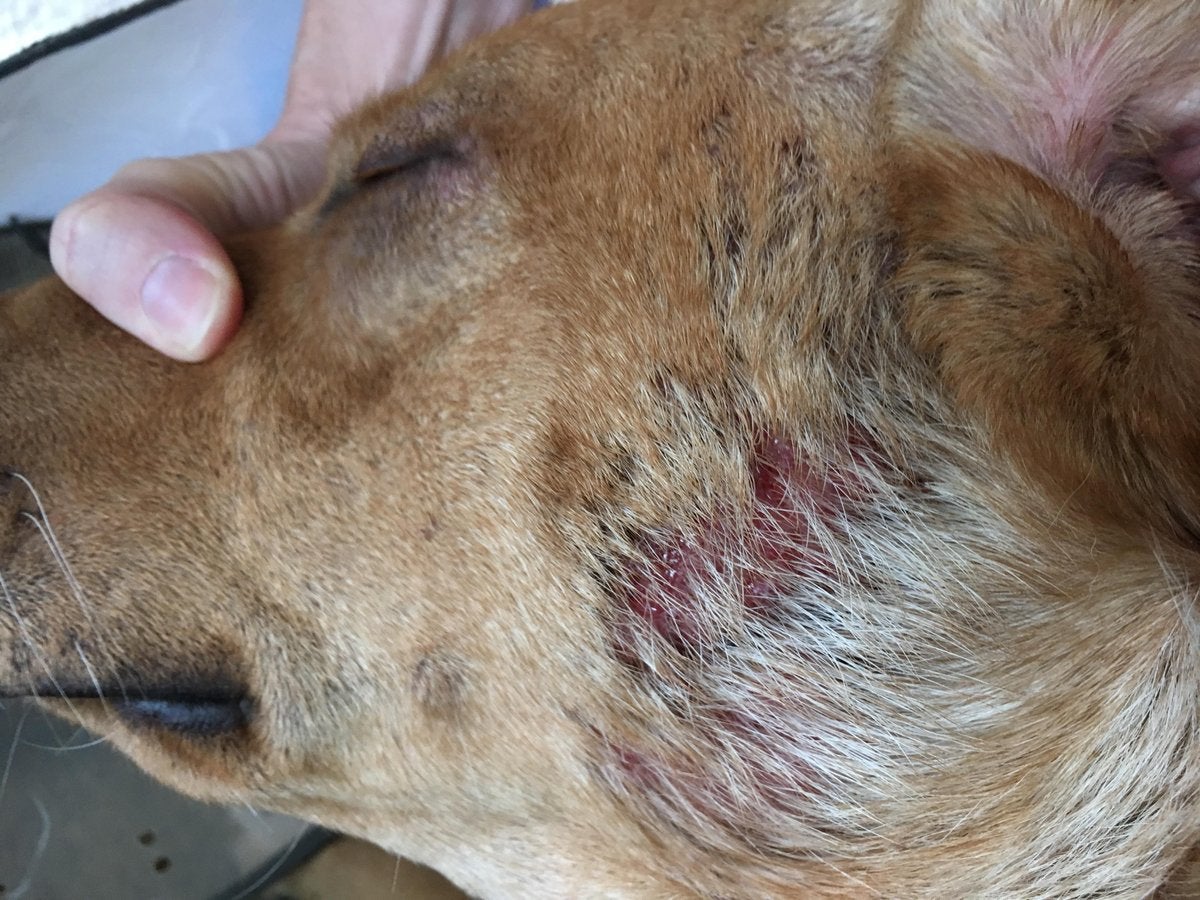
Allergies are not just "itchy skin."
Without proper management, they can lead to:
- Chronic inflammation
- Secondary bacterial or yeast infections
- Recurrent ear infections
- Skin barrier damage
- Decreased overall quality of life
According to the American Animal Hospital Association, effective allergy care requires a multimodal approach, combining treatments rather than relying on a single solution.
Treatment Options: A Multimodal Approach
There is no one-size-fits-all solution for allergies. The most effective plans combine symptom relief with long-term management.
Cytopoint® Injection

Cytopoint (lokivetmab) is a monoclonal antibody therapy that targets itch at its source. In other words, think of Cytopoint as something that "turns off" the itch at the tap, so your dog isn't constantly feeling the need to scratch. If itch was a piece of mail, Cytopoint stops us from mailing the letter in the first place.
- Begins working within ~24 hours
- Lasts 4 to 8 weeks
- Does not broadly suppress the immune system
This targeted approach has been shown to be effective for both acute (quick onset) and chronic (long term) itch management.
Apoquel® (Oclacitinib)
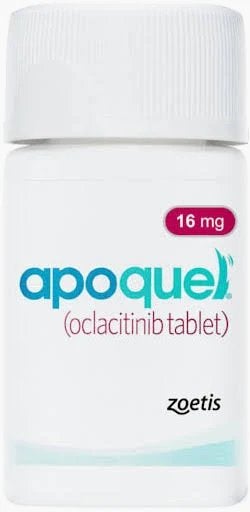
Apoquel works by inhibiting Janus kinase pathways involved in itch and inflammation. Think of Apoquel as calming down the body's overreaction that causes your dog to feel itchy and uncomfortable. In the mail scenario, Apoquel interrupts the letter from being delivered.
- Fast onset of action
- Flexible dosing
- Suitable for ongoing management
It is widely used as a steroid-sparing therapy, helping avoid long-term steroid exposure.
If using either Apoquel or Cytopoint is right for your pup, please sign up for Zoetis Rewards to track your points and get chances to earn money back.
Zenrelia® (Ilunocitinib)
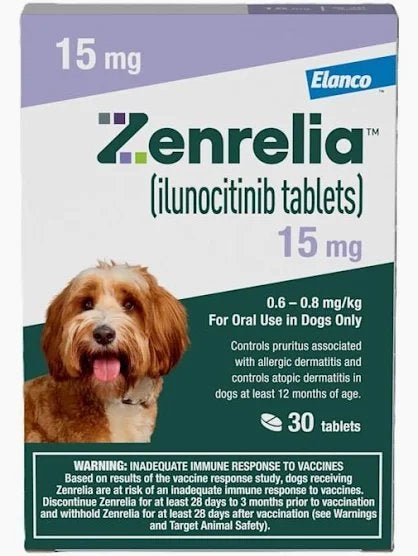
Zenrelia is a newer oral medication designed to help control itching and inflammation associated with allergies.
- Given as a once-daily tablet
- Works quickly to reduce itching
- Targets the pathways involved in the body's allergic response
- Designed as another option for long-term allergy management
In simple terms: Zenrelia works by calming the signals in your dog's body that cause itching and inflammation, helping reduce the urge to scratch.
Allergen-Specific Immunotherapy (Nextmune)

This is the closest option we have to addressing the root cause of allergies.
After identifying specific allergens, immunotherapy gradually desensitizes the immune system over time.
- Targets underlying cause
- Can reduce medication dependence
- Safe for long-term use
International guidelines emphasize that allergy management should be individualized and often requires combining therapies for best results.
Prescription Diets and Food Trials

Food allergies account for approximately 10–20% of allergic cases in dogs, while the majority are related to environmental triggers. While nuanced, bear in mind some dogs have both food and environmental allergies, so food trials are still valuable even if environmental allergies are suspected.
What is a Food Trial?
A strict diet using a novel or hydrolyzed protein for 8–12 weeks with no additional foods.
Pros:
- Identifies food-related triggers
- Can resolve symptoms without medication
Cons:
- Requires strict compliance (can be difficult with multiple pets in the home)
- Time-intensive
- Ineffective for environmental allergies
Please refer to Making a Food Trial Easier (and More Fun) for Your Pet for tips and tricks on how to run a successful food trial without boredom for both you and your pet.
A Word of Caution: Online Allergy Products
Veterinary organizations, including the California Veterinary Medical Association, have recently raised concerns about companies marketing prescription allergy medications without appropriate veterinary oversight.
Medications like cyclosporine are prescription therapies that work by adjusting the immune system, and they're most effective when used with proper diagnosis, dosing, and monitoring. Partnering with your veterinarian helps ensure your pet receives safe, effective care tailored to their specific needs.
Why We Avoid Steroids for Long-Term Allergy Control

Steroids can be very effective for short-term relief, especially during acute flare-ups. However, they are not our preferred long-term solution for chronic allergy management. While they reduce inflammation quickly, they do not address the underlying cause and are associated with well-documented risks.
Peer-reviewed and guideline-based literature shows:
- Steroids should be tapered to the lowest possible dose to reduce side effects
- Long-term use increases risk of complications such as infections, including urinary tract infections
- They produce a broad, non-specific immune suppression, which contributes to systemic side effects
- Experts recommend using them as little as possible and only when necessary
Because of these risks, modern allergy management prioritizes safer, targeted therapies whenever possible.
Why a Combined Approach Works Best

Allergy management is rarely about choosing just one treatment.
According to international dermatology guidelines, successful management requires combining therapies tailored to the individual patient.
Most pets benefit from a layered plan that may include:
- Cytopoint or Apoquel for symptom relief
- Immunotherapy to address the root cause
- Diet trials when appropriate
- Skin barrier support, like Omega 3s and Fatty Acids
- Year-round parasite prevention
Living With Allergies in Southern California
Because of our environment, allergy management is not a one-time fix. It is an ongoing process. Spring may bring the most noticeable symptoms, but allergens are present year-round. Consistency is key. With the right plan, most dogs can live comfortably and maintain healthy skin long-term.

Parting Thoughts
Allergies can feel overwhelming, but they are absolutely manageable with the right approach.
At The Animal Doctors of Orange County, we focus on building individualized, gold-standard treatment plans that go beyond temporary relief. Our goal is to identify the cause, manage symptoms safely, and support long-term health.
If your dog is showing signs of allergies, we recommend scheduling a consultation to build a plan tailored specifically to them.
Because they deserve it all. 💛